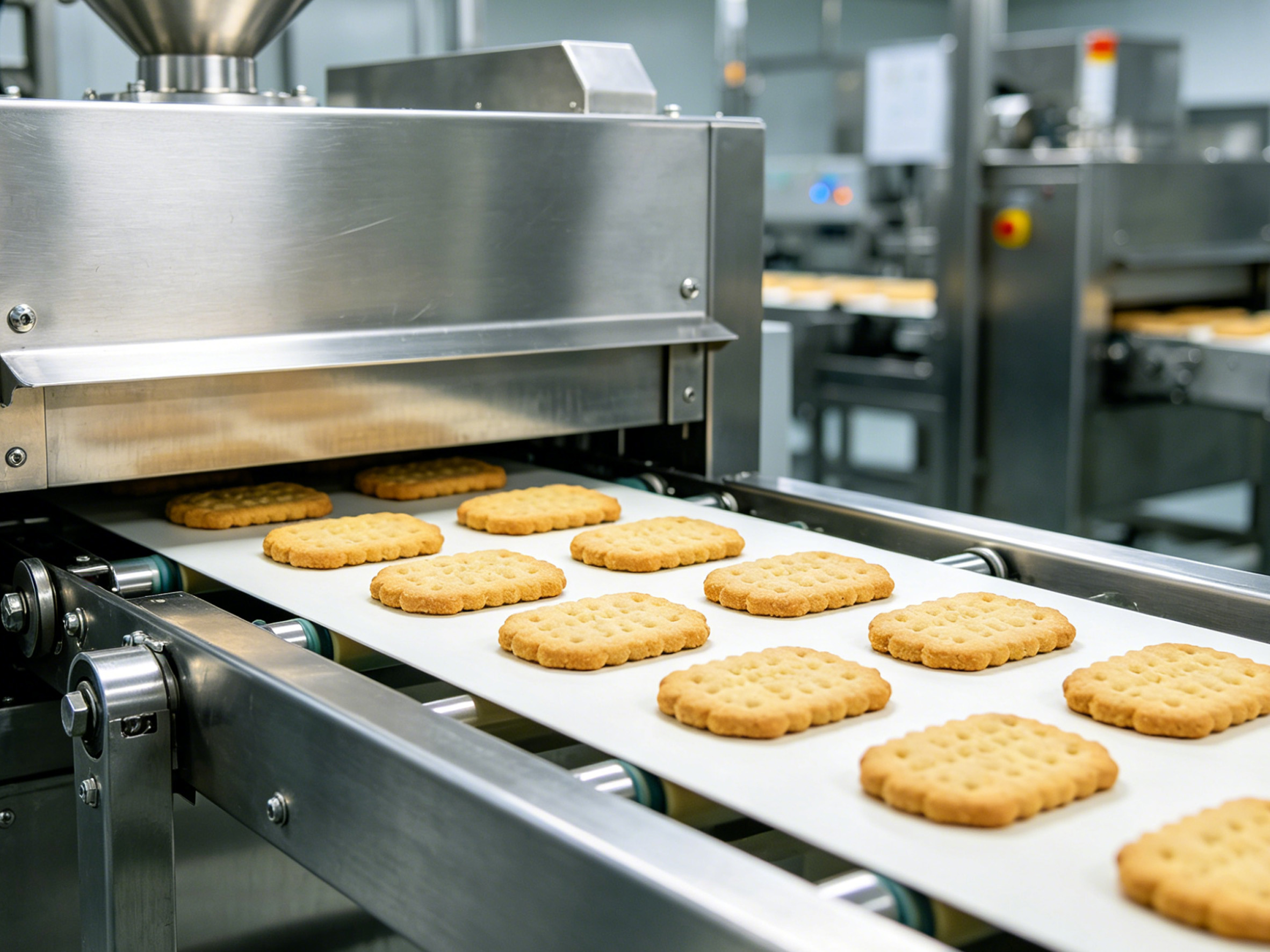
In food factory production workshops, ensuring product hygiene and safety is of paramount importance. To create a sterile environment, factories typically employ multi-stage filtration equipment, such as primary filters, medium filters, HEPA filters, and FFU (fan filter units) . These devices work together to create a clean air environment for food production. In the core area of the sterile production line, to prevent falling bacteria, DOP laminar flow hoods , with their superior flow field stability, have become a key line of defense for food safety.
I. Multi-stage filtration: the cornerstone of clean air
The air purification system in a food factory is a multi-level protection system, with each stage of filtration equipment undertaking a different task.
- Primary and medium filters : As front-end protection, primary and medium filters are mainly responsible for intercepting large particles of dust, hair, insects and other impurities in the air, protecting the high-efficiency filters at the back end and extending their service life.
- High-efficiency filtration core : FFU (Fan filter unit) is the core component of cleanroom. It integrates a fan and HEPA filter, which can filter out tiny particles and microorganisms in the air, ensuring that the air delivered to the workshop meets extremely high cleanliness standards.
- Odor and Chemical Control : To address potential odors or volatile organic compounds (VOCs) that may be generated during food production, factories also use activated carbon filters or chemical filters to ensure the flavor and safety of food.
II. DOP Laminar Flow Hood: The "Elite Force" of Aseptic Production Lines
At critical operational points such as aseptic filling and sealing, ordinary cleanroom environments may not be able to meet extremely high hygiene requirements. This is where DOP laminar flow hoods come in handy.
- Localized Class 100 environment : DOP laminar flow hoods are typically installed above critical equipment, forming a localized Class 100 clean area. This means that within this area, the number of particles larger than 0.5 micrometers in diameter per cubic foot of air does not exceed 100, providing the ultimate environmental protection for aseptic operations.
- Unidirectional airflow principle : The core of a laminar flow hood is to create a stable unidirectional airflow environment. Clean air is delivered vertically or horizontally at a certain speed and in a uniform direction, forming an "air curtain" that isolates external air that may contain bacteria.
- The key to preventing falling bacteria : This unidirectional airflow can quickly remove particles and microorganisms generated in the operating area, effectively preventing falling bacteria from contaminating products, which is a key technology to ensure food safety.

III. Flow Field Stability: The "Soul" of the DOP Laminar Flow Faire
The effectiveness of DOP laminar flow hood hinges on the stability of its flow field. A stable flow field ensures that clean air uniformly covers the operating area, preventing the formation of eddies and dead zones.
- Synergy between the fan and the filter : Stable air velocity and uniform airflow are fundamental to achieving a stable flow field. The performance of the FFU (Fan Filter Unit) directly affects the flow field stability of the laminar flow hood.
- DOP testing ensures that the HEPA filter is leak-free, thus maintaining a pure and stable flow field. A DOP (dioctyl phthalate) test is typically performed. Only laminar flow hoods that pass this rigorous test can be used in aseptic food production lines.
- Application areas : This type of equipment, which has extremely high requirements for flow field stability, is also crucial in the pharmaceutical industry's laminar flow in pharma and the biotechnology field, and is a core piece of equipment to ensure the safety of high value-added products.
In summary, food factories establish a basic clean environment through multi-stage filtration equipment, while DOP laminar flow hood provides ultimate protection in critical stages. Relying on unidirectional airflow and excellent flow field stability , it effectively prevents falling bacteria contamination, making it an indispensable "invisible shield" on aseptic food production lines.