Starting a cosmetic factory in Guangzhou is an exciting venture, but the initial investment in infrastructure can be daunting. One question that frequently keeps founders up at night is: Can I use a Laminar Flow Hood (LAF) to save costs instead of building a full cleanroom?
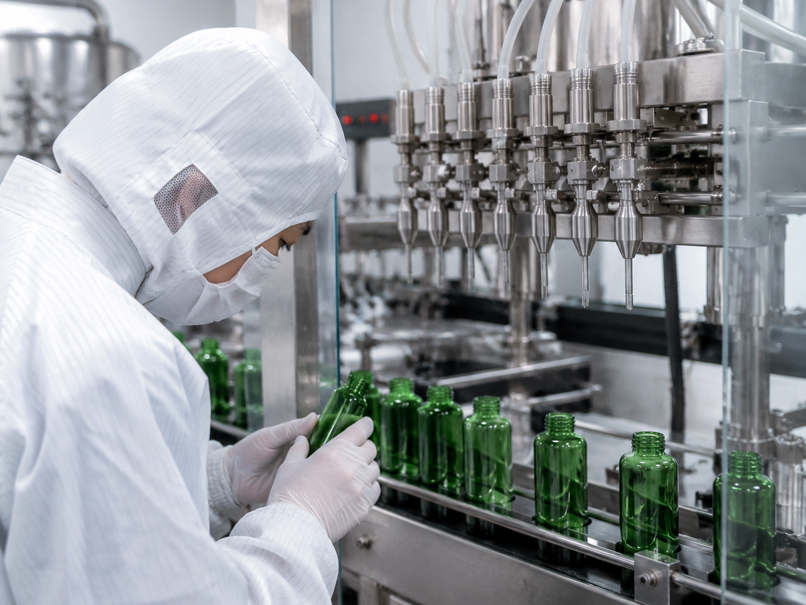
The short answer is: It depends on your production scale and budget. While a Laminar Flow Hood (LAF) creates a "mini-environment" of ultra-clean air, it cannot physically replace the controlled atmosphere of a full cleanroom. However, for startups, combining a Softwall Clean Booth with FFU (Fan Filter Unit) often presents the most pragmatic "Turnkey" solution.
Let’s break down the cost structures and find the optimal path for your startup.
1. The Cost War: Localized LAF vs. Whole-Room FFU
When comparing costs, we aren't just looking at the equipment price; we are looking at the engineering required to maintain the environment.
- The LAF (Laminar Air Flow) Approach:
A Class 100 Vertical Flow Station or a Horizontal Clean Bench is significantly cheaper to purchase outright. However, this is a "local exhaust" solution. If your filling line is long, you will need multiple LAF Units, and the turbulence caused by operators moving around can easily compromise the Cleanliness Scale. You are paying less for equipment but more for operational risk. - The Modular Clean Room Approach:
Building a full ISO 5 or ISO 7 room with FFU (Fan Filter Unit) requires a higher CapEx. You need Ceiling Suspended Laminar Air Flow systems and proper Clean Room Pressure Control. However, this provides uniform protection. For a small footprint (e.g., 20m²), the cost per square meter for a Portable Softwall Cleanrooms is surprisingly low, often ranging between $150 to $60idotm² depending on the ISO class.
The Verdict: If your budget allows for a Clean Booth, it is almost always better than relying solely on open-air LAF Hoods, as it contains the airflow and maintains better Clean Room Air Pressure.
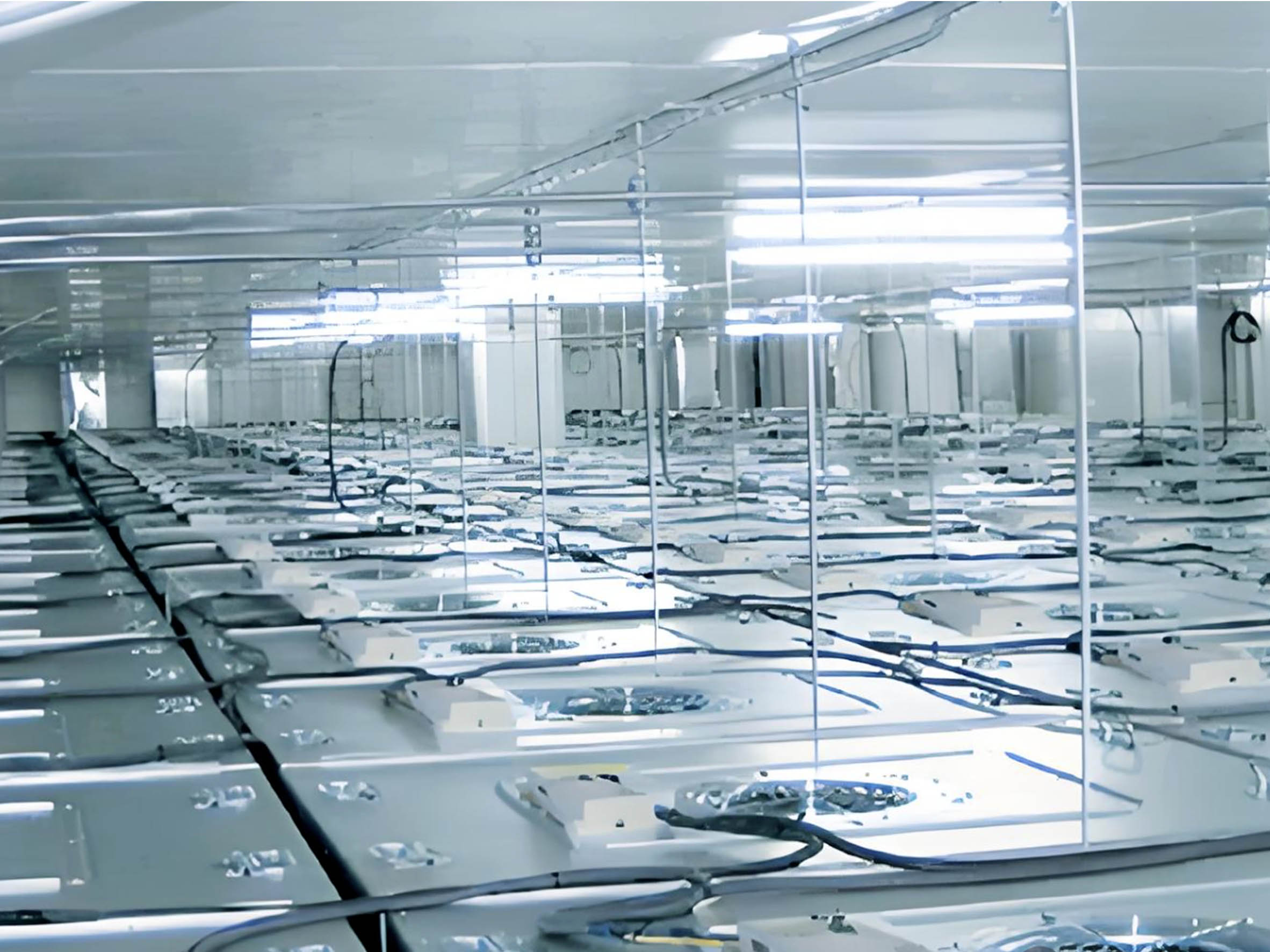
2. The "Mini-Environment" Strategy for Startups
For a cosmetic startup in Guangzhou, going "all-in" on a full-scale cleanroom can drain your runway. The optimal strategy is to create a Mini-Environment within a controlled general workspace.
- The Softwall Solution: Instead of hardwall construction, invest in a Softwall Clean Booth. These are essentially large tents made of clear PVC curtains. They are cheap, easy to install, and can be outfitted with FFU (Fan Filter Unit) to achieve Class 100 standards right at the filling point.
- Targeted Filtration: Within this booth, use a Vertical Air Flow Clean Bench or a Downflow Clean Bench. This creates a Unidirectional Air Flow that sweeps particles away from the product.
- Cost Efficiency: This setup utilizes the principle of "Low Energy Cleanrooms." You are not cooling or heating a massive volume of air; you are only conditioning the small volume inside the Clean Booth. This drastically reduces your HVAC load and ongoing electricity bills.
By focusing on the Critical Process Area (the filling machine) rather than the entire factory floor, you achieve the necessary hygiene standards without the massive overhead.
3. Building Your Turnkey Kit: Essential Components
If you decide to build a small, enclosed space for your filling line, here is the exact equipment list you should source, using the industry-standard terms found in procurement lists:
- The Air Source: You will need FFU (Fan Filter Unit). Look for models with H14 HEPA Filters to ensure you meet the bacterial standards for cosmetics. Do not skimp on the filter grade; HEPA Filter Efficiency is non-negotiable.
- The Structure: For the walls, Softwall or Clean Booth panels are ideal. They allow visibility and are much cheaper than acrylic (Hardwall) options.
- The Entry Point: You cannot have a cleanroom without a way to pass materials in without contamination. You must install a Pass Box (also known as a Pass Through Box). This is a small interlocked chamber that allows you to transfer bottles into the clean area without opening the main door.
- Containment: If your process is dusty or involves chemicals, consider a Downdraft Table or a Dispensing Booth.
Pro Tip: When searching for suppliers, look for companies offering "Turnkey Modular Kits." These packages include the structure, the FFU (Fan Filter Unit), the lighting, and the Pressure Gauges all in one box, significantly reducing your installation headache.
Conclusion: The Balanced Path
While a standalone Laminar Air Flow (LAF) cabinet might suffice for a laboratory sample, it is too fragile for a production line. A full hardwall cleanroom is often overkill for a startup.
Your best bet is the middle ground: a Portable Clean Room or Clean Booth equipped with HEPA Filtered Air Showers (if personnel enter) and proper FFU (Fan Filter Unit). This Modular Approach gives you the sterility of a cleanroom at a fraction of the cost, allowing you to scale up your Clean Room Standards as your revenue grows.