Differences Between Consignor and Consignee in International Shipping

Differences Between Consignor and Consignee in International Shipping

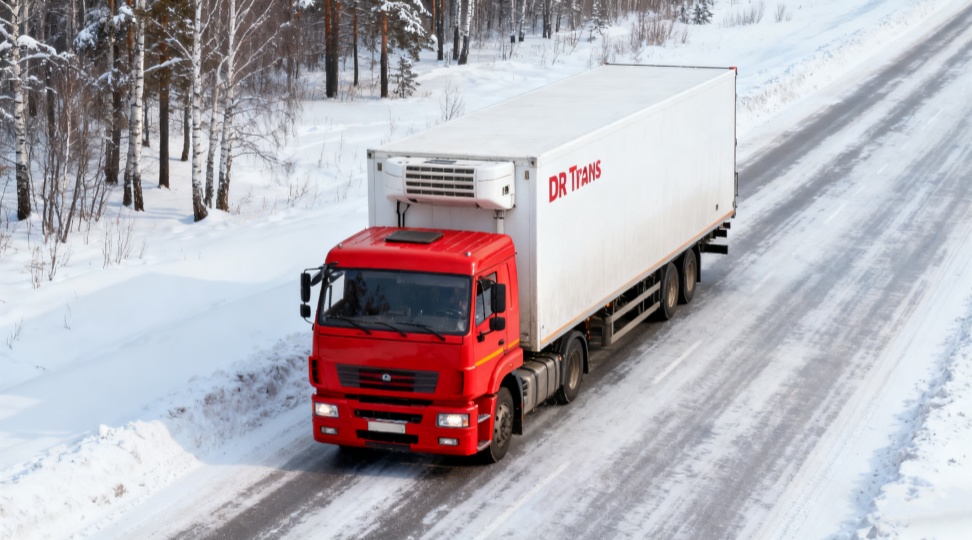
International shipping involves moving goods across borders, and key players must be clearly identified. The consignor (also called the shipper or exporter) is the person or company sending the goods, while the consignee (the receiver or importer) is the person or company who will receive them. In other words, the consignor and consignee, meaning in shipping, describe the origin and destination parties for a consignment. Understanding these roles helps avoid confusion in the shipping consignment process and ensures smooth delivery. At DR Trans – an experienced international freight forwarder – we guide businesses in managing shipments and clarifying who does what in a consignment.
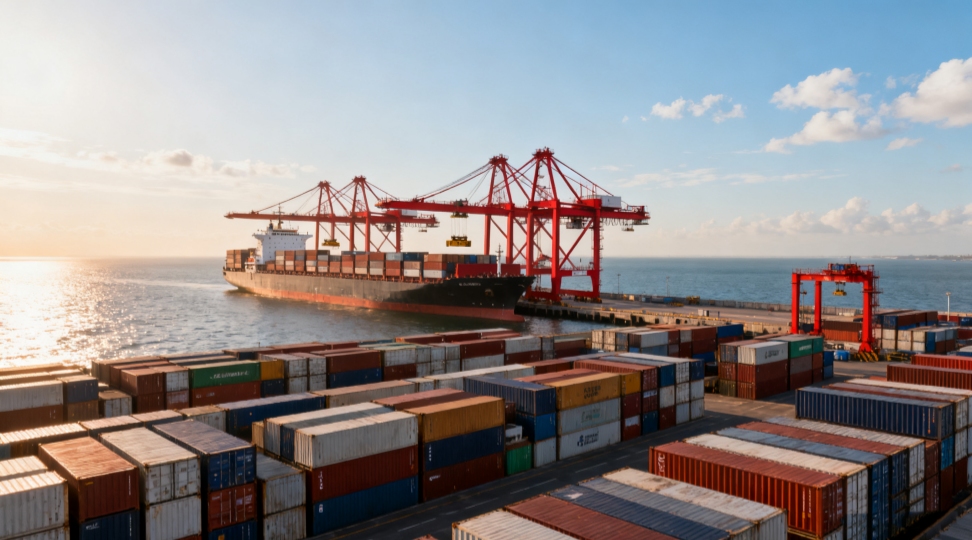
International shipping consignment at a busy container port showing container stacks and cranes

For example, when a manufacturer in China sends products abroad, that manufacturer (or its appointed shipper) is the consignor. The buyer or customer in another country is the consignee. These roles are official titles used on shipping documents like bills of lading and airway bills. Every consignment has both parties: the consignor arranges the shipment of goods, and the consignee arranges to receive them. DR Trans professionals often help small exporters and importers sort out the consignor and consignee meaning on international invoices and contracts. Whether you ship by sea freight, air cargo, or land transport, knowing these definitions and roles is essential for every small business and international trade enterprise.

Who Can Be a Consignor or Consignee?

The consignor and consignee can be virtually any legal entity involved in the sale and transport of goods. Common examples include:

  • Consignor (Shipper): Often the seller, manufacturer, or exporter of the goods. This can also be a freight forwarder or agent acting on behalf of a shipper. For instance, a factory exporting products or a distributor sending goods to a retailer can be the consignor.

  • Consignee (Receiver): Typically, the buyer or importer. This might be a wholesaler, retailer, or company receiving the merchandise. Sometimes the consignee is an importer of record or a company’s warehouse receiving goods.
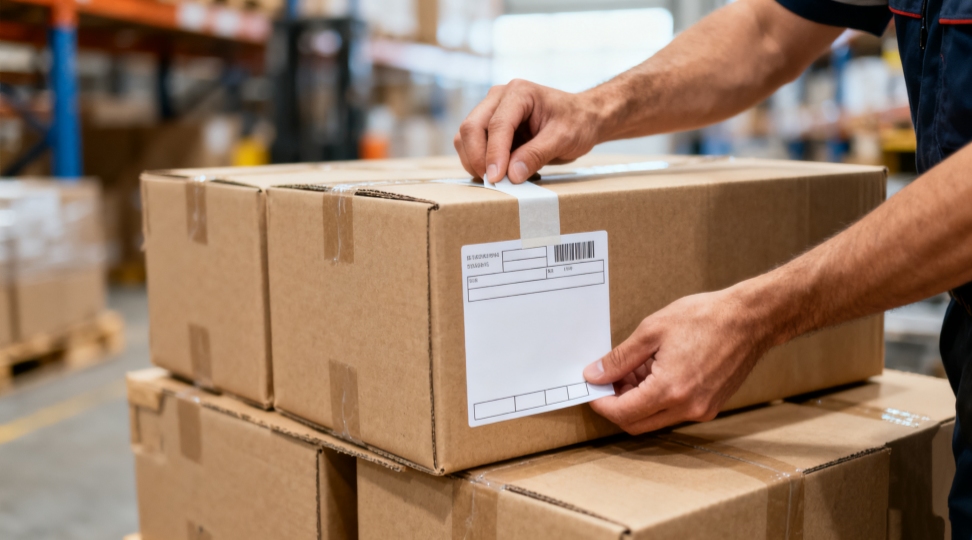
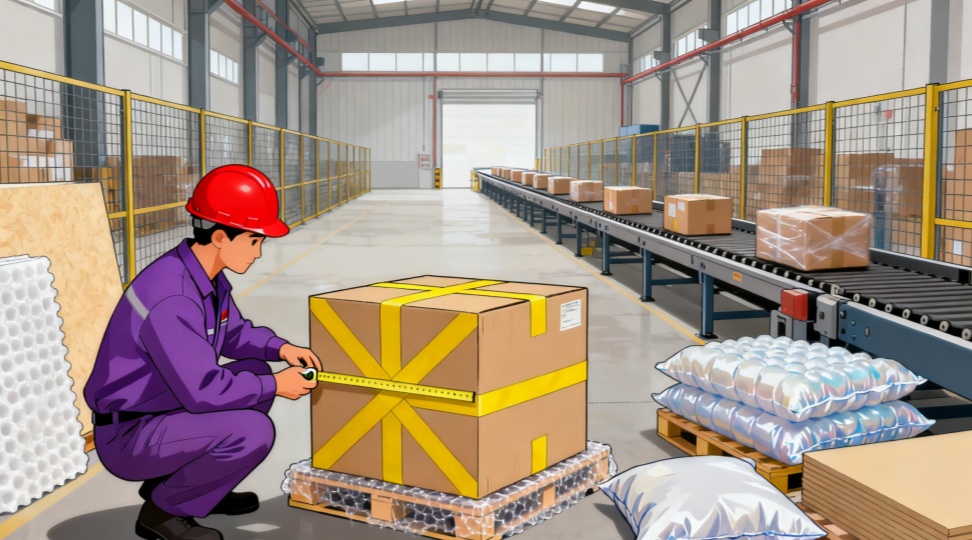
Consignor prepares packaging and shipping labels before export to ensure safe international transport.

In some cases, the consignor and consignee can even be the same entity. For example, a company returning goods to its own branch in another country might list itself as both consignor and consignee. You may also see the phrase “Same as Consignee” on documents, indicating that the notify party or agent is identical to the consignee. Overall, any party involved in the sale (seller vs buyer) or movement of goods can act as a consignor or a consignee, depending on the context of the shipment.

Responsibilities of the Consignor (Shipper)

The consignor (shipper) has several important tasks in a shipping consignment. These include:

  • Preparing the Goods: The consignor must package, label, and mark the cargo properly. This ensures safe handling and compliance with regulations (e.g., hazardous goods require special labels). Proper packing and shipping marks help prevent damage and confusion during transit.

  • Documentation: The consignor arranges all necessary shipping documents. Typical documents include the commercial invoice, packing list, bills of lading or airway bills, certificates of origin, export licenses, and any required customs declarations. Accurate paperwork is critical so the consignee can clear and accept the cargo on arrival.

  • Booking Transportation: The consignor usually books the carrier or freight forwarder. This means arranging the shipment by sea, air, or land according to the agreed terms. The shipper must deliver the goods to the designated port, airport, or carrier location on time.
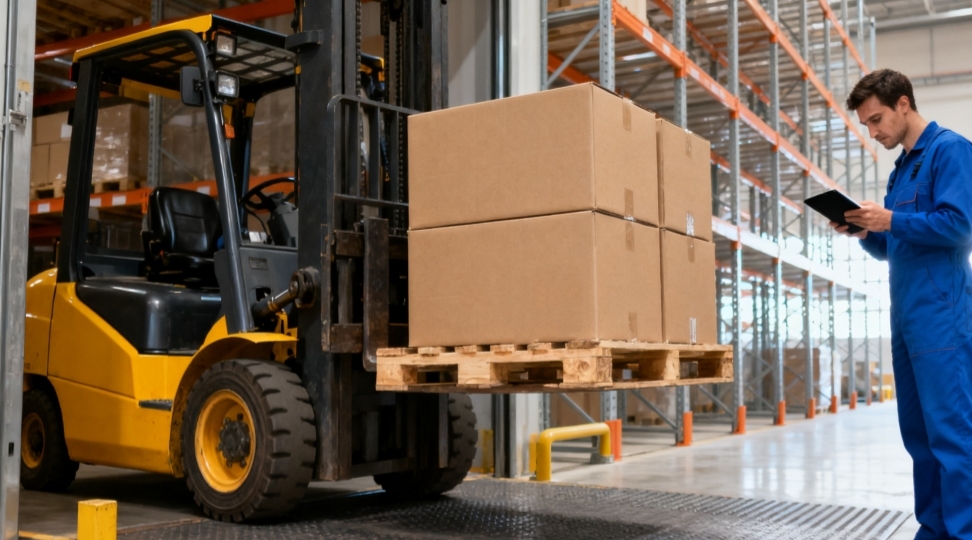
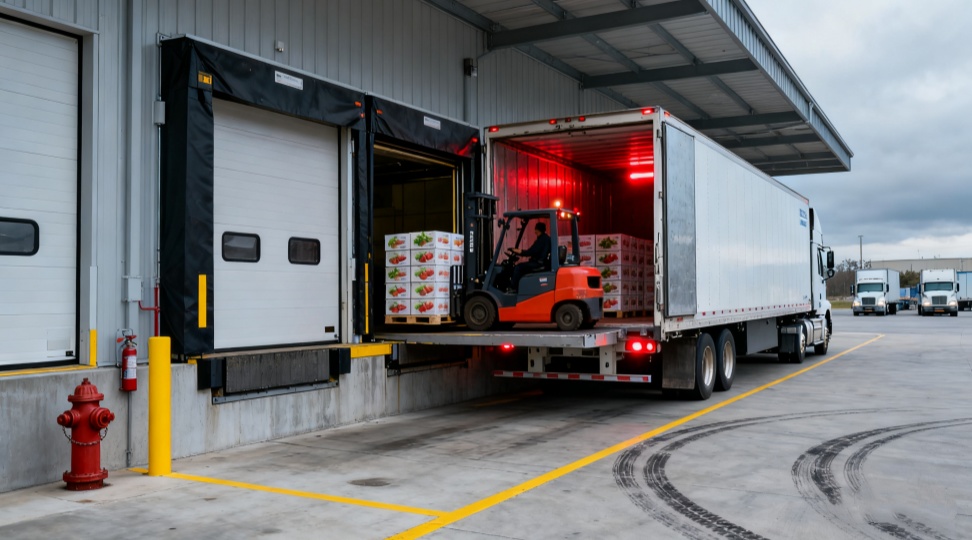
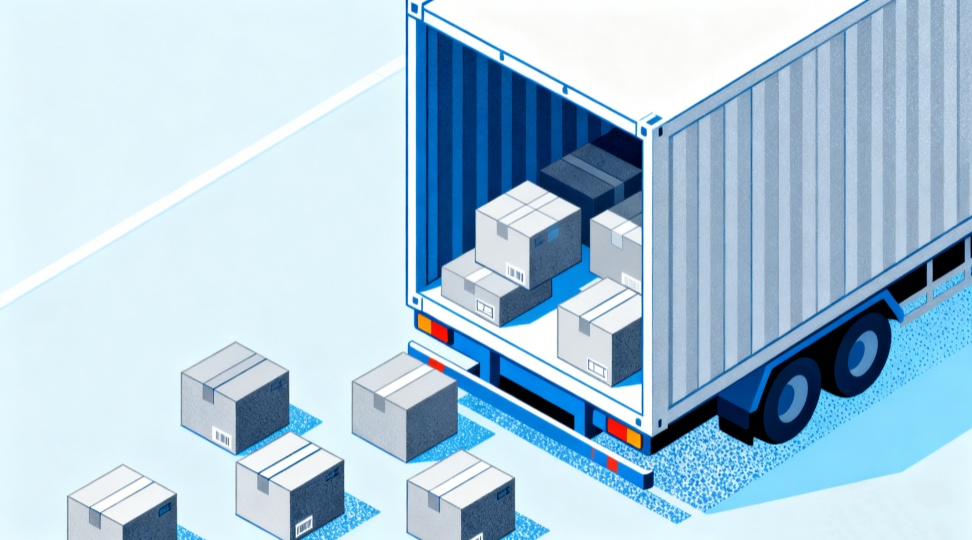
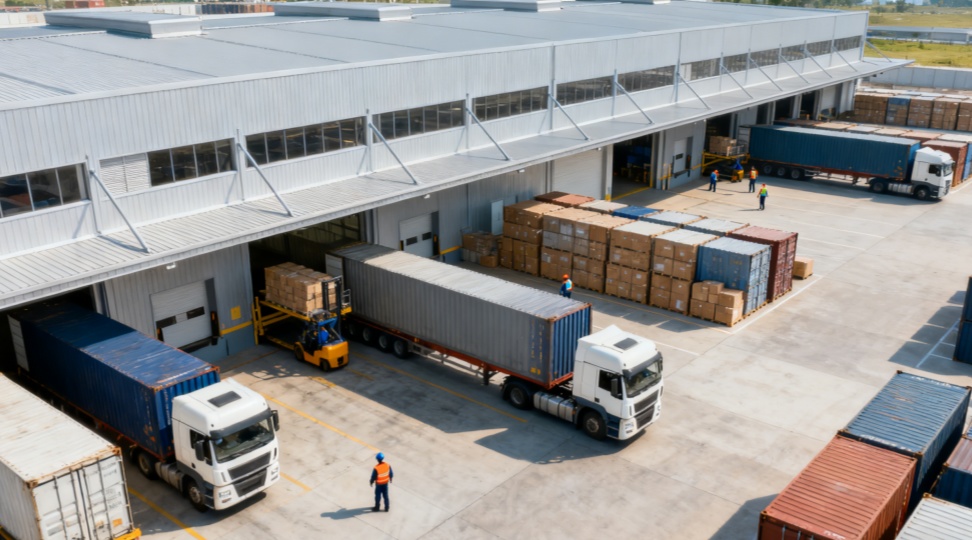
Consignee receiving and inspecting cargo at a warehouse dock after international shipment

  • Export Clearance: If required, the consignor handles export customs formalities and pays any export duties or taxes. This is often mandatory for international trade and ensures the goods are legally allowed to leave the origin country.

  • Communication: The consignor notifies the consignee and the carrier of the shipment details, including departure, expected arrival, and any special handling instructions. Timely communication helps the consignee prepare for receipt.

  • Insurance and Payments (per Incoterms): Depending on the agreed Incoterms or sales terms, the consignor may arrange freight insurance and pay for freight or other charges up to a certain point. For example, under CIF (Cost, Insurance, and Freight) terms, the consignor arranges and pays for freight and insurance until the destination port.

Responsibilities of the Consignee (Receiver)

The consignee (receiver) also has key duties once the goods are in transit or have arrived. These include:

  • Arranging Receipt: The consignee ensures that they or their agent are ready to receive the shipment upon arrival. This may involve hiring a local carrier, booking warehouse space, or coordinating with a freight forwarder.

  • Import Customs Clearance: The consignee is generally responsible for importing the goods. They must submit the commercial invoice and other documents to customs, pay any import duties, taxes, or tariffs, and comply with local import regulations. In some Incoterms, the consignor may handle this, but usually the consignee takes care of it.

  • Payment for Goods and Charges: If the sale was on credit or cash-on-delivery terms, the consignee must pay the invoice for the goods. They also pay any unpaid freight, handling, or local delivery charges that were not covered by the consignor under the shipping terms.

  • Inspection and Acceptance: Upon delivery, the consignee inspects the goods for damage or discrepancy. They note any issues on delivery documents and arrange for claims if needed. Once satisfied, they formally accept the shipment.
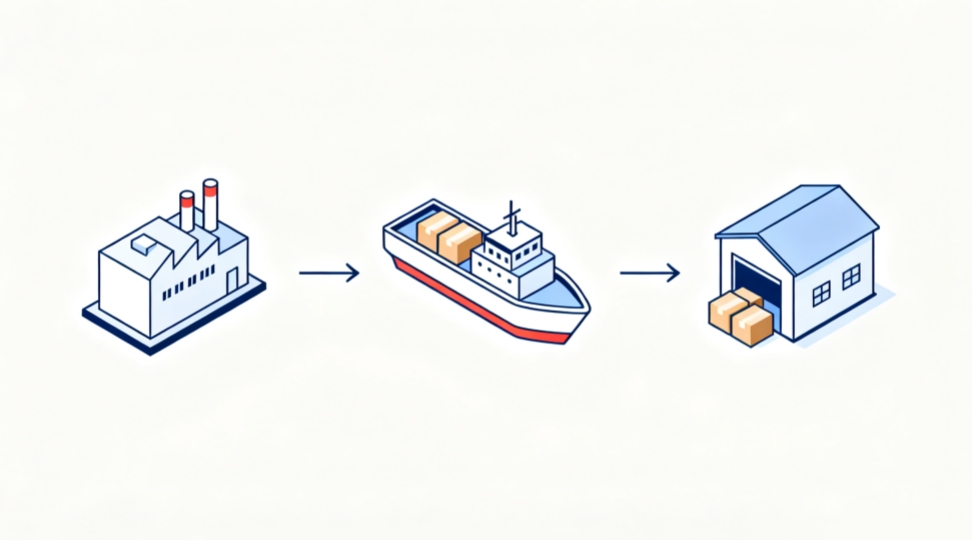
Illustrated logistics flow from consignor to carrier to consignee showing transport modes

  • Unloading and Final Delivery: The consignee arranges or performs unloading at the final destination. They may use their own facilities, hire labor, or work with a local forwarder to move goods from the carrier to their warehouse or store.

  • Communication: The consignee should communicate with the consignor and carrier about any delays, clarifications, or changes needed. Clear communication ensures all parties are informed about the status of the consignment.

Key Differences Between Consignor and Consignee

Aspect Consignor (Shipper) Consignee (Receiver)
Role/Definition Sends or supplies the goods to be shipped. Often, the seller or exporter. Receives the goods shipped. Often, the buyer or importer.
Location Origin or departure point of the consignment (exporter’s location). Destination point of the consignment (importer’s location).
Who Can Be Manufacturer, supplier, exporter, or shipper. Buyer, importer, distributor, retailer, or receiver.
Primary Responsibilities Prepare goods (packaging, labeling), arrange transport, and prepare export documents. Handle export customs clearance (if required). Arrange receipt and import clearance. Pay import duties. Receive and inspect goods.
Documentation Issue commercial invoice, packing list, and shipping bill of lading/airway bill. Uses invoice and B/L to clear goods, completes import documents.
Freight and Costs (Incoterms) May pay freight or insurance costs up to the agreed point (depending on trade terms). Pays remaining freight, import charges, and duties (based on trade terms).
Risk Transfer Risk held up to a certain point (varies by Incoterm). Receives risk from that transfer point onward.

This table summarizes the main tasks and roles of the consignor versus the consignee. While the consignor focuses on sending the shipment correctly, the consignee focuses on receiving and clearing it.

How Incoterms Influence Consignor and Consignee Responsibilities

International trade terms (Incoterms) define exactly when responsibility for goods shifts from the consignor to the consignee. Here are a few examples:

  • EXW (Ex Works): The consignor’s responsibility ends when goods are made available at their premises. The consignee takes on almost all tasks: arranging carriage, export clearance, and bearing the risk from the point of pickup.

  • FOB (Free On Board): The consignor (shipper) must load the goods onto the vessel at the origin port and handle export clearance. Once goods are on board, risk and responsibility pass to the consignee, who then pays for sea freight and import processes.

  • CFR/CIF (Cost & Freight/Cost, Insurance & Freight): The consignor pays for sea freight (and insurance in CIF) to the destination port. Responsibility transfers when goods are shipped. The consignee handles unloading and import clearance.

  • DAP (Delivered at Place): The consignor delivers goods to a named destination (such as a port or warehouse). The consignor pays for the main carriage, but the consignee is responsible for import clearance, unloading, and duties.

  • DDP (Delivered Duty Paid): The consignor handles virtually everything – transport, insurance, export and import clearance, and duties – delivering the cleared goods to the consignee’s location. The consignee’s role is simply to receive the goods.
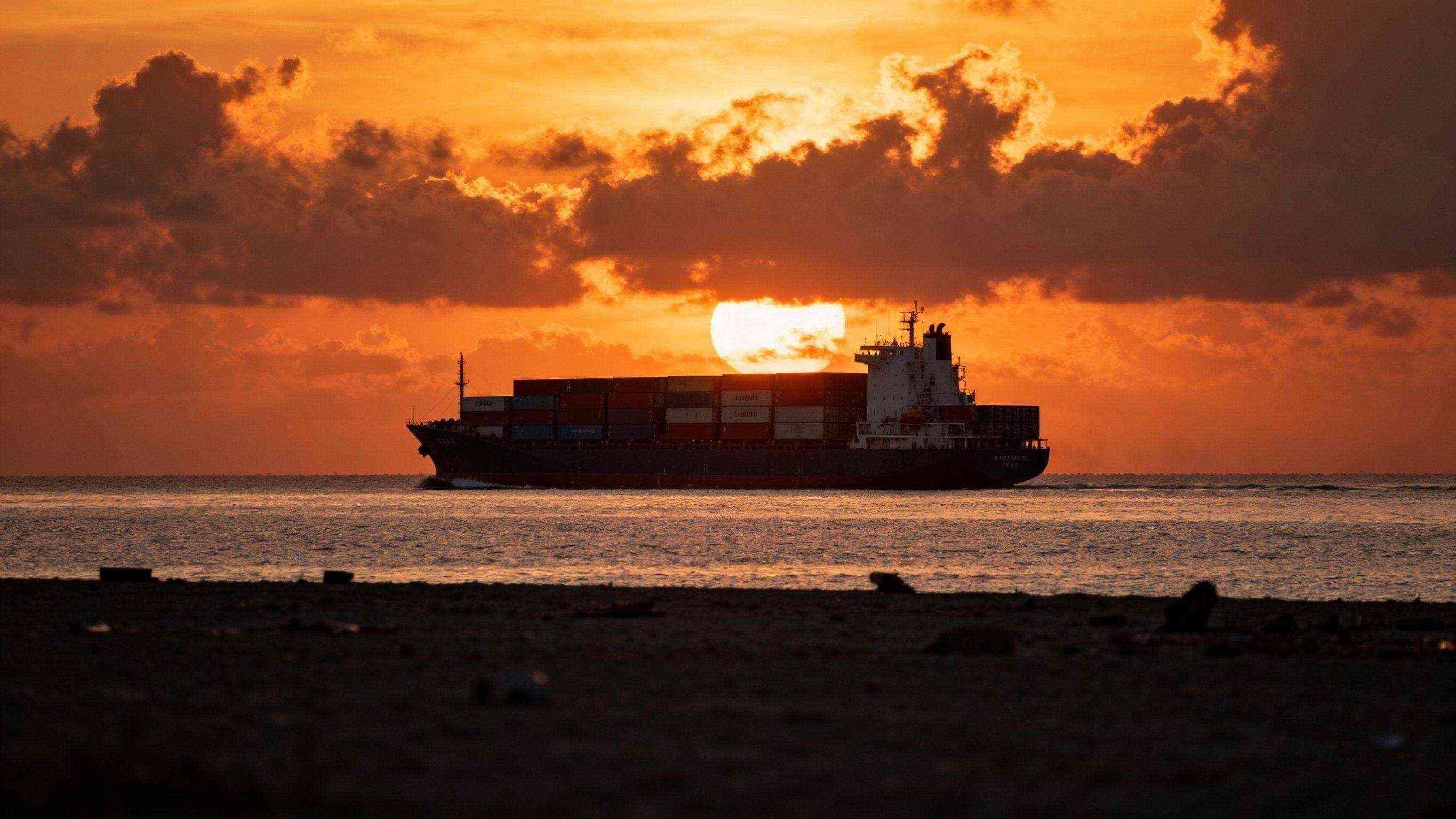
Air and sea freight for shipping consignment

Each Incoterm spells out who does what in the shipping consignment process. By understanding Incoterms, both consignors and consignees know their exact responsibilities, including who pays for freight, insurance, and customs duties at each stage.

Frequently Asked Questions

  • What is the difference between a consignor and a consignee?
    The consignor (or shipper) is the party that sends the goods, usually the seller or exporter. The consignee is the party that receives the goods, typically the buyer or importer. In short, the consignor starts the consignment, and the consignee ends it.

  • What does “shipping consignment” mean?
    A shipping consignment refers to a batch of goods sent from the consignor to the consignee under a single transport contract. It includes the goods themselves and the associated shipping documents. Think of a consignment as one shipment or delivery of cargo.

  • Can the consignor and consignee be the same party?
    Yes, in some cases, the same company can be both consignor and consignee. This happens, for example, if a business sends goods to its own branch or if returned goods are shipped back to the manufacturer. Documents might list “Same as Consignee” if the notify party is identical.

  • What does “Same as Consignee” mean on shipping documents?
    “Same as Consignee” typically appears when the notify party (who should be alerted on arrival) is the same as the consignee. It indicates that you don’t need a separate notify party because the consignee will handle all communications upon delivery.

  • Who handles customs clearance, the consignor or consignee?
    It depends on the Incoterms or trade agreement. In most cases, the consignor clears the goods out of the export country, and the consignee handles import clearance. For example, under FOB, the seller (consignor) clears export customs, while under DDP, the seller even clears import, leaving the consignee with minimal paperwork.

  • Who pays for shipping and duties, the consignor or consignee?
    This depends on the agreed Incoterm. For instance, under EXW, the consignee pays the entire freight; under CIF, the consignor pays sea freight and insurance to the port, but the consignee pays import duties. Always check the Incoterm in your contract to see which party pays which charges.

Understanding these answers can help small business owners navigate international shipments and avoid confusion. If you have further questions about consignors, consignees, or shipping consignment processes, DR Trans offers professional guidance to streamline your logistics and clarify every role.

At DR Trans, our team of experts is ready to help you manage your international shipping. We can explain each role in your shipping consignment and ensure that both the consignor and consignee obligations are handled correctly. With clear communication and professional support, you can ship with confidence.
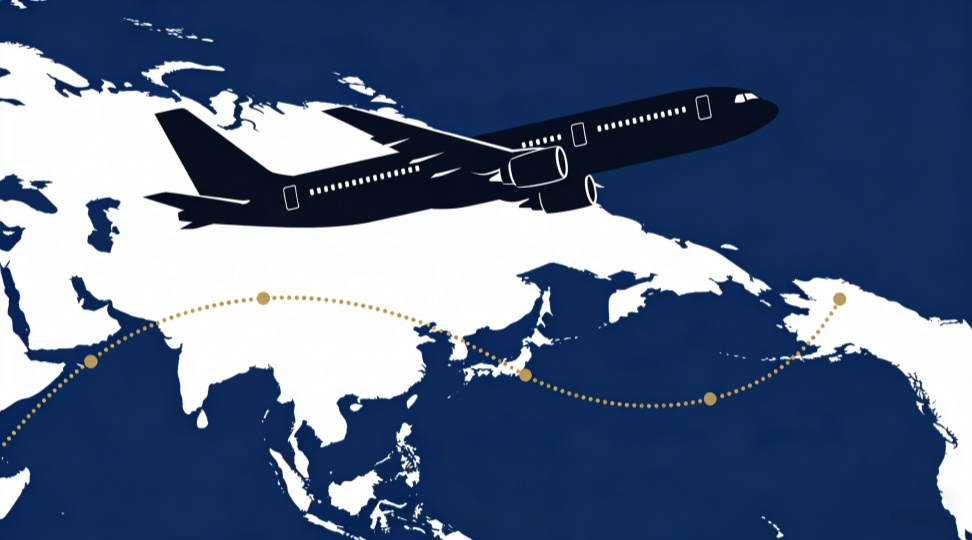
Freight Aircraft Types A Guide to Cargo Plane Variants for Asia–Europe Trade

Freight Aircraft Types: A Guide to Cargo Plane Variants for Asia–Europe Trade

Introduction

Air freight is a critical part of global supply chains, especially on busy routes like Asia–Europe. Freight aircraft (also called cargo planes or freighters) carry goods at high speed between continents. As Airbus notes, “freighter aircraft are vital to our daily lives” because they transport everything from online purchases and medical supplies to industrial machinery across the globe. For Asia–Europe shipments, these planes help businesses meet tight schedules and reach distant markets quickly. Airlines are adding new freighters to meet growing demand – for example, Airbus forecasts that the rise of e-commerce means thousands of additional freighters will be needed worldwide over the next 20 years. In short, air freight offers unmatched speed and reliability, making it the preferred choice for urgent or high-value cargo that must move fast.

Freight aircraft come in many designs and sizes. The next sections explain what a freighter aircraft is, the main cargo plane categories (by configuration and size), and how carriers match aircraft to Asia–Europe shipping needs. We will also cover the types of goods commonly flown and key factors in choosing the right cargo plane.

Minimalist illustration of a freighter aircraft tracing a gold dotted line above a dark blue map of Europe and Asia. DR Trans matches aircraft types used in cargo shipping to actual shipment requirements, routing goods from Zhengzhou to Budapest or Ho Chi Minh to Tashkent without capacity mismatch.

What Is a Freighter Aircraft?

A freighter aircraft (freight airplane or cargo plane) is an airplane built or modified specifically to transport goods instead of passengers. According to Airbus, “a freighter aircraft… is designed or converted specifically for transporting goods rather than passengers”. Such planes have large cargo doors and reinforced floors optimized for pallets and containers. In practice, freighter aircraft fall into three main categories: dedicated freighters (built as cargo planes from the start), converted freighters (passenger jets converted to carry freight, often called P2F), and specialized outsized freighters (for extremely large loads). All share the goal of moving goods, but each type has different capabilities and uses.

Dedicated and Converted Freighters

The backbone of air cargo is dedicated freighter aircraft. These jets have reinforced cargo decks, large side-loading doors, and built-in handling systems (like roller floors and winches) to move heavy pallets. For example, wide-body freighters can carry containers on both their main deck and belly deck. U.S. research notes that such freighters are purpose-built for freight: they “accommodate containerized and palletized freight on upper and lower decks” and operate on routes from short domestic hops to long intercontinental flights. They often include cargo-handling features: floors have embedded rollers and locking fittings to slide and secure freight, and some freighters even have winches to lift very heavy loads.

Converted freighters extend cargo capacity by repurposing passenger planes. The conversion process adds a large cargo door and strengthens the structure. Common airliners (once carrying passengers) are modified into freighters, giving them a second life. This is a cost-effective way to increase cargo capacity using proven airframes. Airlines operate many of these P2F jets on Asia–Europe routes when demand requires additional lift. (For instance, Airbus cites that various A320 and A330 models have dedicated P2F versions.)

Combi, Convertible, and Passenger Jets

Beyond all-cargo planes, there are other arrangements. A combi aircraft carries passengers in part of the main deck and cargo in the other part on the same flight. They offer flexibility when both passenger and freight demand exist on a route. Convertible aircraft can be reconfigured between all-cargo and mixed (passenger+cargo) layouts as needed. These designs are less common today but have been used in markets with variable demand.     A wide-body freighter crosses the Eurasian continent during sunrise, representing the heavy cargo volume moving from Asia to Europe. This type of large freight aircraft dominates westbound lanes, carrying e‑commerce goods and automotive parts at high density.

Additionally, almost all passenger jets carry some cargo in their belly holds (under the cabin). Wide-body airliners often devote entire belly sections to freight when passenger baggage is light. In fact, recent data show that about 56% of international air cargo capacity comes from passenger-plane belly space, while dedicated freighters provide 44%. In other words, passenger flights account for a large share of cargo transport. However, passenger aircraft have smaller doors and floors designed for baggage, so only boxed or containerized goods fit in their holds. Dangerous or oversized cargo is typically restricted to freighters.

Cargo Aircraft by Size and Range

Freight planes vary widely in size and range. Some carry hundreds of tonnes across oceans; others serve short feeder routes with just a few tonnes. In general:

  • Wide-body freighters (twin-aisle) – These are the largest cargo jets. They have two aisles and carry freight on both the main deck and belly. They fly long-haul routes (such as nonstop Asia–Europe flights) with very heavy or bulky loads. For example, wide-body freighters can transport dozens of standard pallets across continents. U.S. aviation research notes that wide-body cargo planes “accommodate containerized and palletized freight on upper and lower decks” and are used for services ranging from domestic to intercontinental. These planes often require long runways but offer huge payload capacity.

  • Narrow-body freighters (single-aisle) – These smaller jets carry freight only on the main deck (and limited belly space). They typically serve medium-range routes or connect regional cities. Narrow-body cargo jets are common for shorter Asia–Europe legs or intra-Asia runs. TRB research describes them as serving primarily domestic and shorter international routes. Their payload is lower (often 20–30 tonnes), but they are more fuel-efficient on shorter hauls. They can also use airports with medium-length runways.

  • Turboprop and feeder aircraft – Express carriers often use turboprops or small piston planes to shuttle cargo between smaller markets and hubs. These aircraft carry modest loads (typically 5–15 tonnes) and can operate from short runways. They act as “feeder” flights: for example, an ATR- or Dash-8–type freighter might gather e-commerce parcels from various cities and deliver them to a major Asian hub. The U.S. Federal Aviation Administration notes that integrated cargo carriers rely on such small aircraft to connect local markets to global networks. In Asia, turboprops bring freight from cities with limited infrastructure to larger airports where wide-body freighters await.

  • Heavy-lift and special freighters – A few unique aircraft are built for outsized cargo (e.g., large machinery or aircraft parts). These have enormous fuselages and payloads (some exceeding 100 tonnes) but are very rare in commercial service. They fly only exceptional missions (such as space rocket parts or oversized industrial equipment). Most Asia–Europe cargo does not use these super-freighters; instead, shippers break down large items or use sea transport.

The table below summarizes these categories:

Category Typical Payload Main Use
Wide-Body Freighters 60–140+ tonnes Long-haul international routes; very heavy and large shipments.
Narrow-Body Freighters 20–30 tonnes Short- to medium-haul routes; regional and express cargo.
Turboprop/Feeder Aircraft 5–15 tonnes Short hops to/from smaller airports; fast parcels and local freight.
Combi/Convertible Aircraft Varies Mixed passenger + cargo loads (flexibility for demand).
Passenger Jets (belly cargo) Varies Extra cargo space on passenger flights.
Heavy-Lift Freighters 100+ tonnes (specialized) Oversized industrial cargo (rare, special projects).

On the Asia–Europe corridor in particular, wide-body long-range freighters dominate the long-haul segments. Medium freighters and even passenger planes with cargo hold space handle shorter legs. Regional turboprops feed cargo to major hubs, and special charter jets are available for extra-large loads or urgent needs.

Types of Cargo Shipped by Air

Air freight typically carries goods that are high-value, time-sensitive, or both. Common examples include:

  • Electronics and high-tech products: Smartphones, semiconductors, laptops,s and other gadgets often fly by air to meet just-in-time manufacturing and consumer demand.

  • Pharmaceuticals and medical supplies: Medicines, vaccines, and life-saving equipment need fast transit under controlled conditions. Shippers rely on freighters to move these critical goods quickly.

  • Fashion and luxury items: Clothing, accessories, and luxury goods (handbags, jewelry, etc.) have high value and seasonal demand. Air shipments ensure products reach retailers in time.

  • Perishables: Foodstuffs like fruits, vegetables, seafood, and flowers rely on air transport to stay fresh on long journeys. Rapid delivery minimizes spoilage.

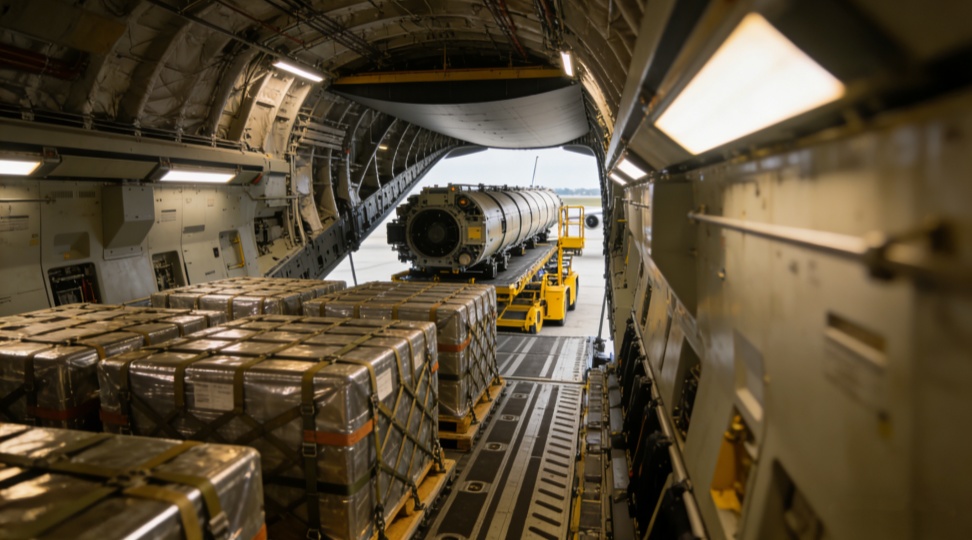
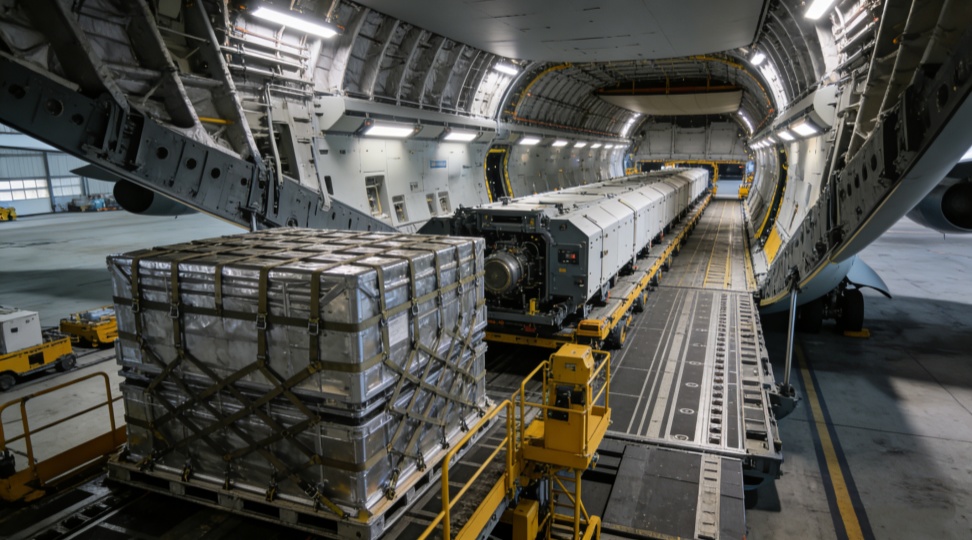
Inside the main deck of a cargo plane, yellow ground support equipment loads industrial machinery and metal pallets. Main deck capability accepts shipments above 160 cm in height, making it the preferred freight aircraft type for oversized items like moulds and turbine blades on Eurasia lanes.

In Airbus’s words, cargo planes transport “electronics, pharmaceuticals, luxury goods, [and] time-sensitive… perishables” among other items. In Asia–Europe trade, typical air cargo includes consumer electronics (for example, gadgets made in China), automotive parts, machinery components, and even live animals (like breeding livestock or zoo animals) or mail. On the other hand, heavy bulk commodities (coal, grainrarelyer use air; they ship by ocean instead.

Aircraft often carry just a fraction of the goods by weight but a large fraction by value. For example, a major trade report found that belly holds of passenger jets accounted for about 56% of air cargo capacity in 2025, with dedicated freighters carrying 44%. This underscores that both passenger and freight airplanes are essential to meeting demand.

Asia–Europe Air Cargo Corridor

The Asia–Europe airfreight corridor is one of the busiest in the world. Goods flow between Asian manufacturing hubs (China, Southeast Asia) and European markets on regular flights. Asia to Europe flights carry electronics, textiles, machinery, and e-commerce shipments; Europe to Asia flights carry luxury goods, machinery parts, and specialized equipment.

Recent industry data highlight the strength of this trade lane. Analysts report that “the Asia–Europe corridor has emerged as the standout performer in global air cargo,” with growth fueled by pharmaceuticals and high-tech products. In mid-2025, IATA found Asia–Europe air freight grew about 10.5% year-over-year, the highest rate among major trade routes. This reflects strong demand for time-sensitive goods like electronics and medicine on that route.

Major cargo hubs anchor the network. Hong Kong International Airport alone handled 4.3 million tonnes of freight in 2023 (making it the world’s busiest cargo airport). Other key hubs on Asia–Europe routes include Shanghai, Singapore, Seoul, and (in Europe) Frankfurt, Amsterdam, and Leipzig. Freight from secondary cities often moves via these hubs: for example, a shipment from Bangkok might fly to Hong Kong on a regional jet, then on a wide-body freighter to Frankfurt. Carriers flying Asia–Europe include global cargo airlines (Cathay Cargo, Korean Air Cargo, etc.) and integrators (FedEx, UPS, DHL). These airlines deploy large twin-engine freighters (e.g., Boeing 777F, Airbus A330F) on nonstop Asia–Europe routes, while smaller freighters or charter services handle niche markets.

In summary, Asia–Europe air cargo is growing steadily. Its main products – electronics, pharmaceuticals, consumer goods – benefit from the speed of air transport. The corridor’s growth and the importance of high-value cargo are well documented.

Choosing the Right Airfreight Solution

Selecting the best freight plane depends onth cargo and the route. Key factors include:

  • Weight and volume: Does the shipment’s weight fit the aircraft’s payload limit? Will it fit through the cargo door and inside the hold? For example, very heavy or oversized loads require a wide-body freighter, while lighter parcels might go on a smaller jet.

  • Distance: Can the plane fly nonstop or with minimal stops? Long Asia–Europe flights typically use long-range freighters or may refuel en route at designated hubs.

  • Airport infrastructure: Does the origin or destination airport accommodate large freighters? Smaller airports might only support mid-size jets or turboprops.

  • Urgency: How fast must the cargo arrive? High-priority shipments may justify the fastest available service (even a chartered freighter).

  • Cost: Larger and faster planes are more expensive. A good freight forwarder will balance speed and cost – for example, using a wide-body freighter for a full pallet load but a passenger flight’s belly for lighter cargo if time permits.

Working with an experienced freight forwarder simplifies these choices. For instance, DR Trans assists customers in matching cargo to the optimal aircraft and service. Their logistics experts evaluate the shipment’s dimensions, weight, and value, then recommend the right type of cargo plane (and airline route). They handle booking (scheduled freighter or charter), paperwork, and special handling requirements. In practice, a customer shipping urgent electronics from Shanghai to Frankfurt would rely on DR Trans to secure space on a suitable wide-body freighter, while a less urgent parcel load might go in the belly of a passenger flight. Throughout, DR Trans “helps each customer solve transportation difficulties” by providing professional, tailored air freight solutions.

A turboprop freighter lifts off from a short runway surrounded by hills. These cargo planes carry 3 to 10 tonnes and serve airports with limited infrastructure across the Indonesian archipelago, Central Asia, and other remote Eurasian locations.

In short, choosing the right freight aircraft is about matching cargo needs to plane capabilities. The process is made easier by working with a freight specialist who understands Asia–Europe air logistics.

Frequently Asked Questions (FAQs)

Q: What is a freighter aircraft?
A freighter aircraft (cargo plane) is an airplane built or converted specifically to carry goods rather than passengers. These aircraft have special features for cargo – large loading doors, reinforced floors, roller tracks, etc. – so they can handle heavy pallets or containers. In other words, a freighter is a “cargo airplane” optimized for moving goods.

Q: What types of goods are typically shipped by air?
Air freight generally carries high-value or time-sensitive items. Typical examples are electronics (smartphones, computers), pharmaceuticals (medicines, vaccines), luxury goods (fashion, jewelry), and perishables (fresh food, flowers). Air cargo also includes urgent industrial parts and e-commerce parcels. Cargo that travels by air is usually lighter and more valuable; bulk commodities tend to ship by sea instead.

Q: How do freighter aircraft differ from passenger aircraft?
Freighters are optimized for cargo: they use most of their space for freight instead of seats. For instance, a wide-body freighter can load containers on both the main deck and the belly. By contrast, passenger planes carry cargo only in their belly hold under the cabin. U.S. research notes that dedicated freighters “accommodate freight on upper and lower decks” and serve a wide range of routes, whereas passenger jets use only the belly compartments. Freighters also have cargo-specific equipment (winches, rollers) that passenger planes lack.

Q: Why use air freight over other methods?
The main advantage is speed. Air freight can cut transit times from weeks (by sea) to days or even hours. This rapid delivery lets businesses respond faster to demand and reduces inventory and storage costs. According to Airbus, freight planes enable goods to “move quickly and reliably across continents,” helping companies access international markets and meet time-sensitive needs. Air transport is also very reliable and reaches many global destinations. However, it is more expensive than sea or land shipping, so it is best for urgent or high-value goods.

Q: How do I choose the right type of freight aircraft for my shipment?
It depends on your cargo’s weight, size, and delivery deadline. Very heavy or large shipments to Europe will need a long-range wide-body freighter. Smaller or less urgent shipments might fit on a medium freighter or even in a passenger plane’s belly. Short-range regional needs may use turboprop freighters. Factors include payload, route distance, airport facilities, and cost. In practice, freight forwarders like DR Trans use their expertise to select the best aircraft and airline service to meet your requirements.

Q: How does DR Trans support international air freight?
DR Trans is a logistics provider specializing in Asia–Europe routes. They help each customer solve shipping challenges by offering professional air freight solutions. This includes arranging express or charter flights, coordinating schedules, and ensuring proper handling and customs clearance. Essentially, DR Trans leverages its global network to make sure your cargo “flies fast, safely, and on budget,” providing end-to-end support from origin to destination.

Conclusion

In conclusion, air cargo relies on a variety of freight aircraft, each suited to specific roles. From narrow-body freighters and regional turboprops to giant wide-body cargo jets, these plane types enable the timely delivery of goods across continents. Understanding their differences—dedicated freighters vs. belly-hold cargo, single-aisle vs. twin-aisle jets, and so on—helps businesses plan efficient shipments.

For Asia–Europe trade, large long-range freighters handle the bulk of heavy shipments, while smaller planes fill regional legs. Using air transport, shippers gain speed and reliability: as one expert notes, freighter aircraft “facilitate rapid transportation of goods over long distances,” which is vital for global supply chains. By working with experts like DR Trans, customers can navigate these options confidently. In the fast-paced Asia–Europe corridor, choosing the right cargo plane and logistics partner ensures goods move smoothly, keeping your supply chain competitive.

How Dunnage Solves Shipping Damage

How Dunnage Solves Shipping Damage

In international shipping, protecting cargo from shifting and impact is a constant challenge. Dunnage – the specialized packing and bracing materials used to stabilize loads – plays a crucial role in this process. Dunnage materials (from wooden blocks and air-filled bags to bubble wrap and foam) fill empty spaces in containers, trucks, and railcars to secure freight. By properly using dunnage in shipping, companies can dramatically reduce damage. In fact, industry sources note that properly braced cargo has a much lower chance of breakage in transit. For example, when goods are tightly cushioned and wedged, accidents and losses drop significantly. This article explains what dunnage is, why it matters, the types of dunnage, and how to choose the right dunnage, so goods arrive safely.

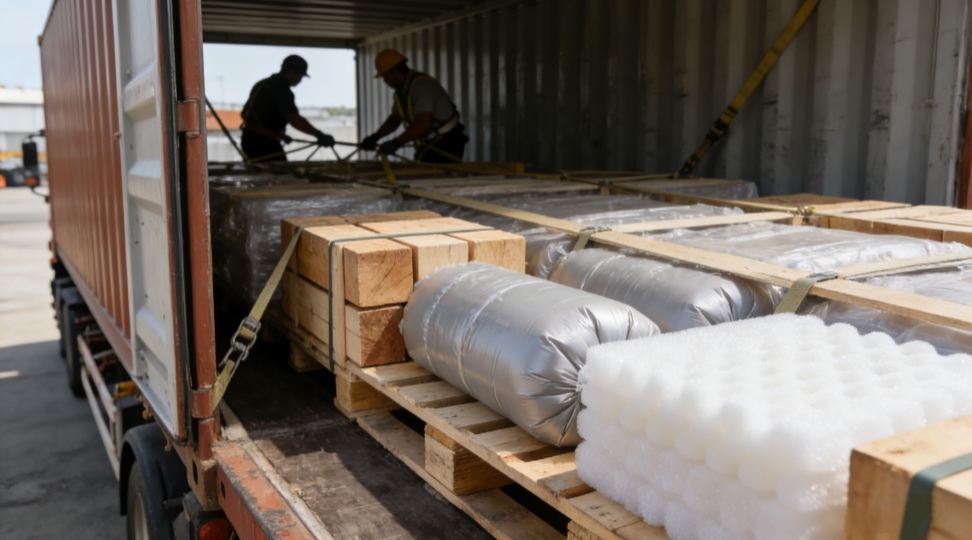
dunnage in shipping container protecting palletized cargo

What is Dunnage?

The term dunnage refers to any material used to support, protect, or secure cargo during transportation. In practice, dunnage can include wooden beams or blocks, inflatable airbags, molded plastic inserts, foam padding, bubble wrap, kraft paper, and more. Essentially, dunnage fills empty spaces and bears the forces on goods so that the cargo itself does not move or get crushed. For example, Inbound Logistics defines dunnage as “any material used to support or elevate cargo to protect it from damage during transport. These materials create a stable buffer: for instance, wooden boards can elevate heavy machinery off a trailer deck (allowing forklift access), while bubble wrap or airbags inside a crate cushion delicate items.

Why Dunnage Matters in Shipping

Proper dunnage is critical because even a small shift in cargo can cause serious damage. During transit (by road, sea, or rail), freight can experience strong vibrations, sudden stops, or rough handling. Dunnage prevents movement and absorbs shock, acting like a protective barrier for the goods. As one logistics expert puts it, dunnage “prevents items from moving and helps to absorb shock” during handling and transportation. This shock absorption prevents fragile or loose products from colliding or falling, significantly reducing breakage. In practical terms, companies “fill any voids” between loads with dunnage to lock the shipment in place.

For perspective, industry data show that hundreds of millions of containers move each year, and the costs of cargo loss can exceed $50 billion annually. Inadequate securing (no dunnage or poor stuffing) accounts for much of this loss – roughly 65% of damage is due to incorrect lashing or stuffing. The table below highlights these figures:

Metric Value
Containers are moved worldwide per year > 802 million
Annual global cargo loss (USD) > $50 billion
Damage due to poor securing 65%
Carrier damage rate (shipments) 1–3%

Most shipments do arrive intact (industry estimates carrier damage rates around 1–3%), but even a few percent translates to huge losses. Dunnage solves many of these problems: in practice, companies fill all voids with dunnage (timber beams, pallets, foam, or airbags) to keep cargo locked in place. By doing so, goods remain stationary and cushioned, which greatly reduces breakage claims and damages.

Types of Dunnage Materials

There are many types of dunnage materials, chosen based on the cargo and transit mode. Common examples include:

  • Wooden Dunnage (beams, blocks, planks): Durable hardwood or softwood boards (e.g., 2×4, 4×4, 4×6, up to 8 ft long) used under heavy pallets or steel coils. Wood dunnage is common in flatbed shipping, providing a stable base or raising cargo for forklift access. On open decks, wood boards lift the load off the trailer deck for easier loading by crane or forklift. Beveled wood blocks can also prevent cylindrical loads from rolling.

  • Plastic Dunnage and Airbags: High-density plastic materials (like molded pallets or crates) are common in food and beverage freight. Another form is inflatable dunnage bags – heavy-duty vinyl or polyethylene bags placed between pallets or cargo. When inflated, these airbags fill large voids and lock goods in place. For example, carriers often insert plastic airbags between stacked pallets to prevent any jostling during transport. This plastic dunnage is lightweight, reusable, and cost-effective for many shipments.

  • Foam, Bubble Wrap, and Paper: For smaller or fragile items, lightweight fillers cushion shipments. Foam-in-place, corrugated or kraft paper, and bubble wrap absorb shocks from multiple directions. Bubble wrap is a common dunnage for electronics and glassware, while crumpled paper or molded pulp can be balled or layered inside boxes. These soft dunnage materials effectively act as miniature shock absorbers, preventing damage to delicate cargo.

  • Flatbed-Specific Dunnage: On open trailers or rail flats, sturdy wood blocks or metal stands (known as flatbed dunnage) are placed under the load. They lift cargo a few inches above the deck, creating space for forklifts or cranes to handle it. This prevents the load from contacting the floor and keeps it from shifting on an open deck.

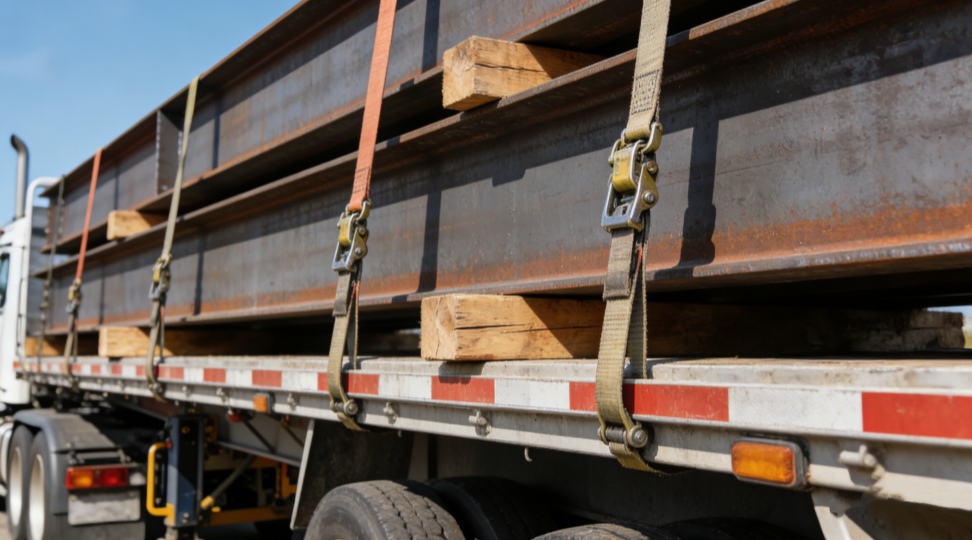
flatbed dunnage wood blocks under heavy steel beams with ratchet straps

Flatbed shipments often rely on wood dunnage (as shown above) to raise heavy cargo and allow forklifts to slide in underneath. By lifting loads a few inches, these dunnage blocks prevent direct contact with the trailer floor and let crews access the cargo from the sides. Proper flatbed dunnage ensures stability during transit, keeping heavy loads from sliding or tipping on an open deck.

In a shipping container or box truck, dunnage materials fill voids to brace goods on all sides. The image above shows wooden beams holding a heavy coil in place. Dunnage in shipping containers effectively “fills any voids” and prevents cargo from shifting. Even small gaps are dangerous in transit, so every space should be padded or blocked. By using suitable dunnage (timber planks, pallets, inflatable bags, etc.), shippers lock all boxes and crates into position and greatly reduce the chance of damage.

For smaller parcels or delicate goods, softer dunnage like bubble wrap, foam, or recycled paper is used. These materials cushion the product surface and absorb shocks. For example, a glass vase might be surrounded by air pillows or bubble wrap so it cannot move or break inside the box. In this way, even lightweight dunnage materials prevent shipping damage by acting as miniature shock absorbers. Matching the dunnage type to the fragility of the cargo is key to preventing returns or delays.

Choosing the Right Dunnage

Selecting proper dunnage depends on the cargo and the transport mode. Key considerations include:

  • Cargo characteristics: Heavy or bulky freight (like machinery or steel coils) needs rigid, strong dunnage (wood blocks or metal braces). Fragile or small items (electronics, glassware) require a softer filler such as foam or bubble wrap.

  • Transport mode: Flatbed trailers generally require wooden dunnage blocks (flatbed dunnage) to lift and space loads. Enclosed trailers and containers can use lighter materials and airbags since the load is already enclosed.

  • Fill all voids: Regardless of material, fill every space. Even one unfilled gap can allow shifting. Experts advise to "fill any voids" with dunnage (timber beams, pallets, foam, or airbags) so cargo is locked in place.

  • Planning and communication: Carriers usually carry some standard dunnage (open-deck trucks often have 6–10 wood pieces on board). But specialized dunnage (like large airbags or treated wood) may not be provided. If you need specific dunnage (e.g., extra airbags or pest-free wood), request or supply it ahead of loading.

  • Regulations: Many countries (and even some states) regulate dunnage to prevent pests or contamination. For example, California enforces “strict regulations on dunnage materials to prevent pest infestations, so untreated wood may be banned. Check any customs or environmental rules before shipping.

foam pads and bubble wrap cushioning a fragile electronic component inside a crate

By considering these factors – load, mode, and compliance – shippers can choose the right dunnage materials. Good planning ensures minimal damage and maximizes safety for both goods and handlers.

FAQ

Q: What is dunnage, and why is it important in shipping?
A: Dunnage is any material used to support and protect goods during transit. It prevents cargo from shifting and absorbs shocks, which significantly reduces damage.

Q: What does "dunnage" mean in shipping?
A: It simply refers to the protective filler inside a load. Shipping dunnage can be wood blocks, air pillows, foam, etc. – anything that fills space and shields cargo from movement.

Q: What is the difference between dunnage and packaging?
A: Packaging is the box, crate, or pallet that holds the product. Dunnage is the filler inside that packaging. For example, a crate is packaging, while the wood blocks or bubble wrap inside it are dunnage.

Q: How does flatbed dunnage work?
A: Flatbed dunnage involves wood blocks (or metal stands) placed under cargo on an open trailer. These lift the load slightly off the trailer deck so that forklifts or cranes can move it, and keep the load from contacting the floor. This spacing prevents heavy items from sliding on the open deck.

Q: What is plastic dunnage?
A: Plastic dunnage includes products like plastic pallets or inflatable dunnage bags. It is durable and often reusable. For instance, a vinyl dunnage bag placed between pallets can be inflated to tightly wedge them in place, preventing shifting during transport.

Q: Does DR Trans provide dunnage materials?
A: DR Trans does not sell dunnage products. We are a freight and logistics provider. However, our experts help customers solve shipping problems by designing shipments with proper bracing and padding. We coordinate with carriers to ensure that loads are secured with the correct packing strategy, effectively solving many shipping damage issues.

Conclusion

Dunnage may seem like a simple packing material, but it is a powerful solution for preventing shipping damage. Dunnage refers to the range of materials – wooden beams, airbags, bubble wrap, and more – used to brace cargo. When properly selected and placed, dunnage keeps goods stationary and cushioned throughout transit. This not only avoids costly damage but also streamlines handling and protects equipment and workers.

At DR Trans, our mission is to provide reliable international shipping. We work with clients to implement best practices for cargo security. Although DR Trans doesn’t supply dunnage itself, our expertise ensures every shipment is packed with the right protective materials. By advising on proper dunnage selection and load planning, DR Trans helps businesses ship globally with confidence, knowing their cargo is well-protected against shocks and shifts.

How to Ship Food Internationally Complete Guide to Shipping Frozen & Perishable Food

How to Ship Food Internationally: Complete Guide to Shipping Frozen & Perishable Food

Learn how to ship food internationally with safe frozen goods packaging, cold chain logistics, and DR Trans solutions for perishable exports.

Shipping food across international borders is both a growing business opportunity and a logistical challenge. For small business owners and commercial food exporters, questions such as how to ship frozen food, how to send frozen food via mail, or even whether you can mail food internationally are becoming increasingly common. The global demand for perishable and specialty products—from frozen meat and seafood to dairy, baked goods, and ready-to-eat meals—requires exporters to understand packaging, regulations, and transportation methods to ensure food arrives fresh, safe, and compliant.

This guide explores every aspect of international food shipping, covering preparation, packaging, cold chain logistics, transportation modes, regulations, and common FAQs. By the end, you’ll have a clear picture of how to ship perishable food efficiently and reliably.

Courier picking up insulated boxes from small food business for international shipping


1. Understanding the Basics of Food Shipping

Food is classified as a perishable commodity, meaning it can spoil, deteriorate, or become unsafe if not handled correctly during transport. Unlike non-perishable goods, frozen and chilled products demand specialized handling. Whether you want to know how do I ship cold food or how to ship frozen meat abroad, the principles are rooted in temperature control, packaging integrity, and compliance with regulations.

Key reasons why food shipping is complex:

  • Temperature sensitivity: Frozen goods must remain below -18°C, while chilled products should stay between 0°C and 5°C.

  • Time sensitivity: Delays can compromise quality, especially for fresh produce and seafood.

  • Regulatory oversight: Customs and food safety authorities have strict rules on how to ship food across borders.

  • Packaging demands: Proper frozen goods packaging is not optional—it’s essential.


2. Preparing Food for International Shipping

2.1 Product Evaluation

Before shipping, identify whether the item is frozen, chilled, or shelf-stable. Products such as frozen meat, seafood, or dairy require more stringent handling compared to packaged snacks or canned goods.

Questions exporters should ask:

  • Does the product require freezing or refrigeration during transit?

  • What is the shelf life under controlled temperatures?

  • How long will transit take, and is that within safe handling limits?

2.2 Pre-Shipment Processing

  • Freezing before shipment: Ensure items are fully frozen before packaging. Partially frozen products are at higher risk of spoilage.

  • Vacuum sealing: Extends shelf life by minimizing air and bacteria exposure.

  • Portioning: Smaller, individually sealed packages make handling easier and maintain quality.

Insulated packaging with dry ice and gel packs for shipping frozen goods

Here, the main takeaway is: if you are asking how you can ship frozen food safely overseas, proper product preparation is just as important as choosing the right logistics partner.


3. Packaging Solutions for Frozen and Perishable Goods

One of the most frequent questions businesses ask is how to ship frozen food or how to ship perishable food without spoilage. The answer lies in effective frozen goods packaging.

3.1 Insulated Containers

  • Foam containers, vacuum panels, or polyurethane boxes maintain stable internal temperatures.

  • Double walls are recommended for long-haul shipments.

3.2 Refrigerants

  • Dry ice: Ideal for frozen meat and seafood, but subject to airline and customs restrictions (classified as a hazardous material above certain weight limits).

  • Gel packs: Best for chilled products like cheese, fruit, or baked goods.

  • Phase-change materials (PCMs): Advanced refrigerants designed for specific temperature ranges.

3.3 Outer Packaging

  • Corrugated cardboard with leak-proof liners for additional protection.

  • Clearly labeled with “Perishable” and “Keep Refrigerated/Frozen”.

3.4 Packaging Checklist

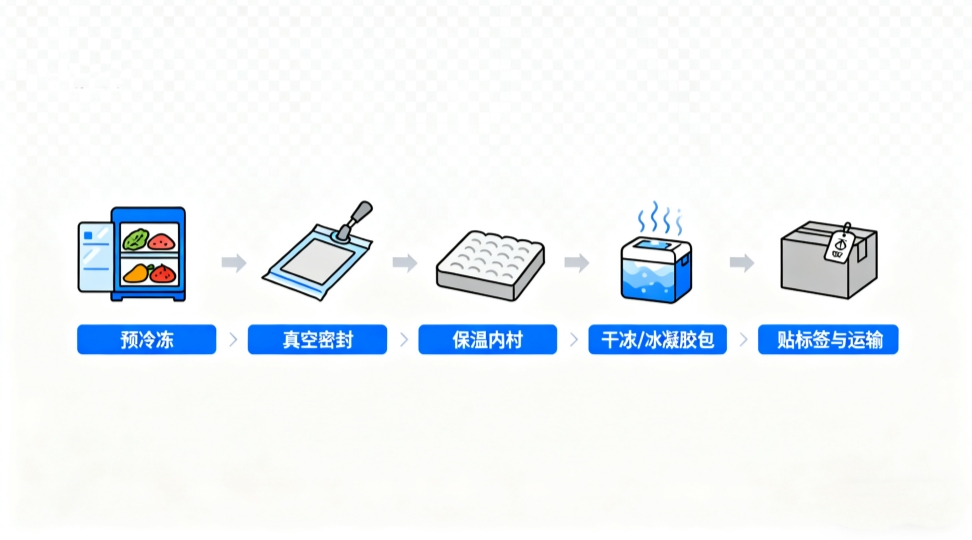
  1. Pre-freeze products thoroughly.

  2. Use insulated containers matched to product requirements.

  3. Choose the right refrigerant (dry ice, gel packs, or PCMs).

  4. Label packages accurately.

  5. Ensure compliance with carrier and customs guidelines.

By following these principles, you reduce risks when shipping frozen food internationally and increase the likelihood that it arrives in excellent condition.


4. Cold Chain Logistics: Keeping Food Safe During Transit

The cold chain is the backbone of perishable shipping. It refers to the temperature-controlled supply chain that ensures food remains safe from origin to destination. If you are wondering how to send frozen food in the mail or through a logistics provider, the answer depends heavily on whether the carrier maintains a reliable cold chain.

4.1 Key Components of the Cold Chain

  • Pre-cooling: Reducing product temperature before shipment.

  • Refrigerated storage: Facilities at departure and arrival points.

  • Reefer containers: Temperature-controlled units used in sea freight.

  • Refrigerated trucks and railcars: Used in overland transportation.

  • Real-time monitoring: Sensors and IoT devices track temperature, humidity, and transit time.

4.2 Why Cold Chain Matters

According to the Food and Agriculture Organization (FAO), nearly 14% of food is lost before it reaches retail markets, with poor logistics being a primary factor. Maintaining a proper cold chain is not only a regulatory requirement but also a business necessity for exporters.

Infographic packing checklist for shipping frozen and perishable food

4.3 Common Cold Chain Failures

  • Improper handling at transfer points.

  • Packaging that doesn’t match the product’s shelf life.

  • Customs delays extend transit beyond the refrigerant duration.

When businesses ask how do I ship cold food overseas without risk, the answer lies in partnering with providers that guarantee end-to-end cold chain integrity.


5. Shipping Methods: Air, Sea, and Express

The choice of transport determines both cost and delivery time. When deciding how to ship frozen meat or fresh produce, consider the balance between urgency and budget.

5.1 Air Freight

  • Best for: Frozen meat, seafood, high-value perishable products.

  • Transit time: 1–5 days.

  • Pros: Fast, reliable, suited for urgent shipments.

  • Cons: Expensive, limited by dry ice regulations.

5.2 Sea Freight

  • Best for: Bulk frozen food shipments with longer shelf life.

  • Transit time: 15–40 days, depending on routes.

  • Pros: Cost-effective for large volumes.

  • Cons: Slower, requires advanced reefer containers.

5.3 Express Couriers

  • Best for: Small parcels when you ask, Can you mail food internationally?.

  • Transit time: 2–7 days.

  • Pros: Convenient, integrated customs clearance.

  • Cons: Higher per-unit shipping cost.


For small exporters, mailing food through express carriers is often the first step toward international expansion; however, scaling requires a strategic use of sea and air freight.


6. Regulations, Documentation, and Customs Considerations

One of the most critical aspects of learning how to ship perishable food internationally is understanding regulations. Each country has its own rules about what food can be imported, how it must be declared, and what documentation is required.

Thumbnail image for article on how to ship frozen and perishable food internationally

6.1 General Regulatory Principles

  • Health and safety standards: Many countries follow guidelines from organizations like the World Health Organization (WHO) and the Codex Alimentarius Commission.

  • Customs declarations: All perishable shipments require accurate invoices, packing lists, and certificates of origin.

  • Food safety certificates: Meat, dairy, and seafood usually require veterinary or sanitary certificates.

  • Hazardous material rules: If using dry ice, the package must be labeled according to IATA Dangerous Goods Regulations.

6.2 Labeling Requirements

  • Product description (e.g., frozen chicken breast, dairy cheese).

  • Net weight and quantity.

  • Handling instructions (“Keep Frozen”).

  • Expiry or best-before date.

6.3 Customs Delays

Even if you know how to ship frozen food correctly, customs delays can cause spoilage if the packaging is insufficient. That’s why exporters must always plan for extra refrigerant and insulation.


7. Cost Considerations and Transit Times

Cost is a deciding factor for many small exporters. The mode of transportation, packaging requirements, and customs charges all influence final pricing.

Here is a comparative table for international frozen food shipping:

Shipping Method Best for Average Transit Time Cost Level Key Limitations
Air Freight Frozen meat, seafood, high-value perishables 1–5 days $$$ (High) Dry ice limits, expensive for bulk
Sea Freight (Reefer) Large frozen food volumes 15–40 days $$ (Medium) Slower, requires a strong cold chain
Express Courier Small parcels, mailing food samples 2–7 days $$$ (High per kg) Size/weight restrictions
Road + Rail (Intermodal) Regional frozen goods shipping 7–20 days $$ (Medium) Limited by route availability

For small exporters asking how to send frozen food in the mail, express courier is convenient but costly. For established exporters, combining air and sea freight often provides the best balance.


8. Common Questions About Shipping Food

Q1: Can you mail food internationally?

Yes, but with restrictions. Shelf-stable goods are easier to mail than frozen products. Couriers like DHL, FedEx, and UPS allow frozen shipments with dry ice but have strict quantity limits.

Q2: How can you ship frozen food without it spoiling?

By pre-freezing, using insulated containers, and choosing the right refrigerant (dry ice or gel packs). Maintaining a reliable cold chain is essential.

Q3: How do I ship cold food to another country safely?

Select a carrier experienced in refrigerated transport, ensure proper frozen goods packaging, and verify customs requirements for the destination country.

Q4: How to ship frozen meat specifically?

Frozen meat requires strict temperature control (-18°C or lower). Use vacuum-sealed packaging, dry ice, and air freight or reefer sea containers depending on urgency.

Q5: What documents are needed to ship perishable food?

  • Commercial invoice

  • Packing list

  • Certificate of origin

  • Health/veterinary certificate (for meat/dairy)

  • IATA declaration (if dry ice is used)


9. How DR Trans Supports Food Exporters

At DR Trans, we understand the complexity of international perishable logistics. Whether you’re wondering how to ship frozen food to Russia, how to ship perishable food across Europe, or how do I ship cold food to Central Asia, our solutions are tailored to your needs.

  • Cold Chain Expertise: End-to-end temperature-controlled shipping via road, rail, air, and sea.

  • Frozen Goods Packaging Guidance: Assistance in choosing the right insulated containers, dry ice, and gel packs.

  • Regulatory Support: Documentation, customs clearance, and compliance checks.

  • Flexible Routes: TIR direct trucking for Russia, reefer sea containers for Europe, and express courier integration for samples.

  • Payment Services: Secure settlement options for Russia and Belarus, supporting cross-border trade.

Our experience ensures your frozen meat, seafood, dairy, or packaged foods arrive on time, intact, and compliant with all regulations.


10. Conclusion

International food shipping is a balance of packaging science, cold chain management, regulatory compliance, and logistics strategy. Whether you are mailing small frozen parcels to international customers or managing bulk frozen meat exports, the principles remain the same: prepare products carefully, invest in frozen goods packaging, and select the right transportation method.

For small businesses and food exporters searching for how to ship food across borders, the path may seem complex, but with the right logistics partner, it becomes manageable.

DR Trans is here to help you ship frozen and perishable food efficiently, securely, and globally. From Asia to Europe, Russia, and Central Asia, our integrated logistics network ensures your products maintain quality from door to door.

Logistics vs. Distribution Strategic Differences

Logistics vs. Distribution: Strategic Differences and How to Integrate Them for a Winning Supply Chain

The core difference between logistics and distribution is that logistics is the overarching framework of planning, moving, and storing goods, while distribution is the tactical execution of delivering the right products to the right endpoints. Many use the terms interchangeably, but mastering their distinct roles—and, more importantly, their integration—is key to building a resilient, efficient, and customer-centric supply chain.

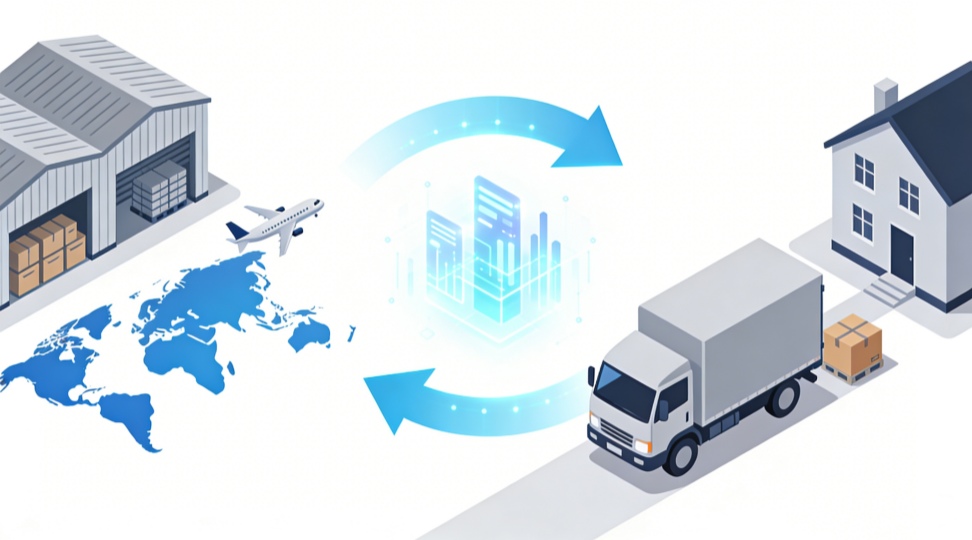
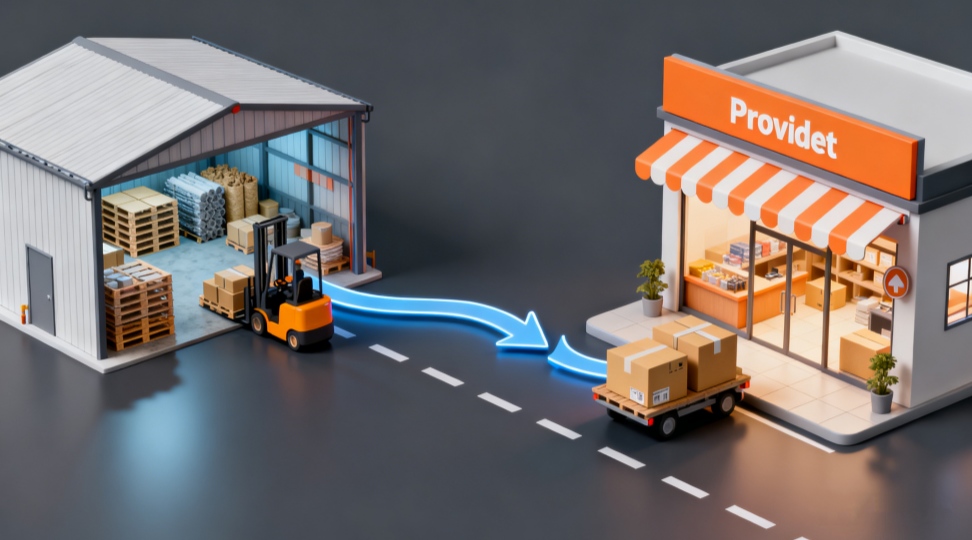
The logistics and distribution collaboration flowchart illustrates the relationship between logistics (warehousing and global transportation) and distribution (last-mile delivery) in the supply chain through data flow.

Unpacking the Definitions: Two Pillars of the Supply Chain

What is Logistics? The Strategic Coordinator

Logistics is the strategic backbone of your supply chain. It encompasses the end-to-end process of planning, implementing, and controlling the efficient flow and storage of goods, services, and related information. Think of logistics as the master planner, ensuring all pieces of the puzzle fit together cost-effectively and reliably.

Key Activities of Logistics:

  • Transportation Management: Strategically selecting modes (road, sea, air, rail), managing carriers, and optimizing routes for both inbound (supplier to warehouse) and outbound (warehouse to customer) movement.

  • Warehousing & Inventory Control: Determining storage locations, managing warehouse operations, and implementing inventory strategies (like Just-in-Time) to balance stock levels with demand.

  • Order Fulfillment: Designing the process from order receipt to dispatch, including picking, packing, and preparing goods for shipment.

  • Reverse Logistics: The critical but often overlooked process of handling returns, repairs, recycling, and disposals—a vital component for customer satisfaction and sustainability.

What is Distribution? The Tactical Executor

Distribution is the final, customer-facing arm of the supply chain. It focuses specifically on ensuring products move efficiently from the production or storage point to the end-user, whether a retail store or a direct consumer. Distribution is about market reach and accessibility.

Key Activities of Distribution:

  • Channel Management: Choosing and managing the paths to market (e.g., direct-to-consumer, wholesalers, retailers, online marketplaces).

  • Last-Mile Delivery: Executing the final, most critical (and often most expensive) leg of the journey to the customer's doorstep.

  • Network Design: Strategically placing distribution centers, fulfillment hubs, and retail locations to maximize speed and minimize delivery cost.

  • Customer Service & Support: Providing tracking, handling delivery inquiries, and managing the post-delivery experience.

Head-to-Head: The Strategic vs. Tactical Divide

This table clarifies their distinct focuses:


Feature Logistics Distribution
Core Focus Efficiency, Cost Control, and Reliability of the entire flow. Availability, Speed, and Customer Experience of final delivery.
Primary Goal Get goods from Point A to Point B in the right condition, at the right cost. Get the right product to the right customer at the right time.
Scope Broad & Internal. Manages the entire movement cycle, including inbound and reverse flows. Narrower & External. Focuses on the outbound flow to endpoints (customers/channels).
Key Metric Total landed cost, perfect order rate, and inventory turnover. On-time in-full (OTIF) delivery, order accuracy, and last-mile cost per parcel.

The Power of Integration: Why 1+1 > 2

Treating logistics and distribution as separate silos creates inefficiency. True competitive advantage comes from their seamless integration.

  • Poor Logistics cripples Distribution: Inaccurate inventory data leads to stockouts, causing distribution channels to fail and sales to be lost.

  • Poor Distribution wastes Logistics Efforts: A beautifully planned logistics network is wasted if the last-mile partner consistently damages packages or misses delivery windows, hurting your brand.

The digital supply chain network technology integrates an abstract conceptual diagram, showing a glowing global grid and data flow connecting logistics nodes and distribution terminals.

The Synergy Effect: Integrated planning allows for Demand-Driven Fulfillment. Logistics data (like real-time inventory across all warehouses) informs distribution decisions (like which fulfillment center should ship an order for the fastest, cheapest delivery), dramatically improving customer satisfaction.

Actionable Strategies to Optimize Both Functions

1. Leverage Integrated Technology

Implement a cloud-based Transportation Management System (TMS) or a unified Supply Chain Management (SCM) platform. These systems break down silos by giving both logistics and distribution teams visibility into the same real-time data: inventory levels, in-transit shipments, and order status. This is foundational for advanced strategies like distributed inventory.

2. Adopt a Customer-Centric Network Design

Move from a centralized warehouse model to a network of regional fulfillment centers. This distribution strategy is enabled by smart logistics planning. By placing inventory closer to high-density customer pools, you drastically reduce last-mile distance, cost, and time—turning a logistics cost center into a distribution advantage.

3. Evaluate the 3PL Partnership Model

A specialized Third-Party Logistics (3PL) provider can be a force multiplier. A strong 3PL acts as an extension of your team, integrating logistics expertise (warehousing, freight) with distribution execution (fulfillment, last-mile). This allows you to scale rapidly without massive capital investment. When choosing a 3PL, assess their technology integration capabilities as critically as their warehouse locations.

4. Embrace Data-Driven Decision Making

Go beyond basic tracking. Use analytics to:

  • Predict Demand: Forecast seasonal spikes to pre-position inventory (logistics) in optimal distribution centers.

  • Optimize Routes Dynamically: Use AI-powered tools to adjust delivery routes in real-time based on traffic, weather, and customer availability, slashing last-mile costs.

  • Analyze Returns (Reverse Logistics): Identify common reasons for returns to address product or packaging issues, improving future distribution cycles.

Conclusion: From Cost Center to Competitive Edge

Logistics and distribution are not interchangeable terms—they are interdependent functions. Logistics is the strategic framework that makes efficient distribution possible, while distribution is the tactical execution that delivers on the brand promise to the customer.

Businesses that succeed in the modern marketplace are those that stop viewing these functions in isolation. By integrating logistics planning with distribution execution through technology, data, and strategic partnerships, you transform your supply chain from a mere cost center into a verifiable source of competitive advantage, customer loyalty, and sustainable growth.

The film depicts heartwarming moments of couriers smiling as they deliver packages to customers on city streets, showcasing last-mile delivery and customer handover scenarios.


Ready to transform your supply chain from a cost center into a growth engine? A seamless integration of logistics and distribution is the key. Contact our experts today for a free, personalized supply chain assessment and discover how to optimize your operations for speed, efficiency, and unmatched customer satisfaction.

LTL Freight Shipping A Cost-Effective Guide for Businesses | DR Trans

LTL Freight Shipping: A Cost-Effective Guide for Businesses | DR Trans

Less-than-truckload (LTL) shipping provides a budget-friendly way to transport freight that doesn’t require a full trailer. In LTL shipping, you pay only for the space your goods occupy on the truck. This is ideal for small businesses and e-commerce sellers, whose loads (typically 150–15,000 lbs) are too small to fill an entire trailer. By combining multiple shippers’ freight into a single truck, LTL shippers optimize costs and efficiency.

What Does LTL Mean in Shipping?

LTL stands for Less-Than-Truckload freight. It refers to shipments that only occupy part of a trailer, unlike a full truckload (FTL) that fills an entire trailer. Typically, individual LTL shipments weigh between 150 and 15,000 pounds and fill 1–6 pallets (under about 14 linear feet) on a truck. Because LTL carriers combine freight from multiple customers, the total trailer space is nearly filled before moving. This shared-space model gives smaller shippers “cost savings” by splitting the trailer among many loads. In contrast, a full truckload shipment (FTL) is dedicated to one shipper’s freight and usually weighs tens of thousands of pounds.

How to Calculate LTL Freight Rates

Calculating LTL freight rates involves several key factors. Carriers quote LTL shipping primarily based on freight class, weight, density, and distance. In practical terms:

  • Distance: Longer shipping lanes cost more. The farther the freight travels, the higher the price, since fuel and transit time increase with mileage.

  • Weight: LTL pricing is typically on a per-hundredweight (CWT) basis. A heavier shipment will generally cost more overall but usually has a lower per-pound rate than a very light load. For example, shipping 3,000 lbs might cost more in total than 5,000 lbs, but the rate per hundredweight drops as the weight rises.

  • Freight Class/Density: Each LTL shipment is assigned a freight class (a number from 50 to 500) based on its density, value, liability, and handling difficulty. High-density, sturdy items have lower freight classes (and lower rates), while bulky, fragile, or high-liability items are in higher classes (higher rates). Carriers heavily use this classification to calculate LTL rates.

  • Accessorial Services: Special services add fees. Extras like residential pickup/delivery, liftgates, inside delivery, limited access, or white-glove handling each incur additional charges. A truck pickup in a rural area or requiring a liftgate, for example, will raise the cost beyond the base LTL rate.

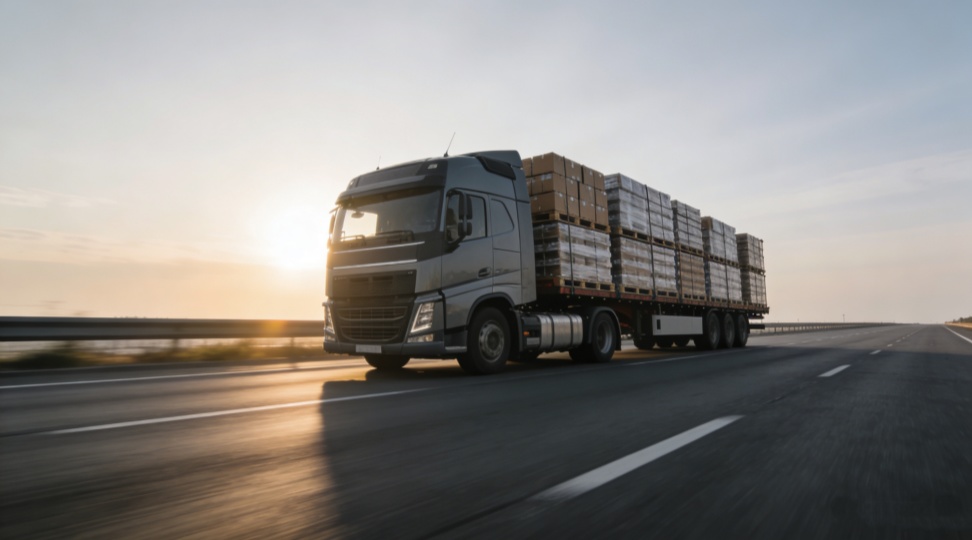
LTL shipping truck on highway carrying palletized freight - Less Than Truckload Freight hero image

LTL vs. FTL Shipping: Which Is Right?

A key decision is whether to ship LTL or book an FTL (full truckload). The table below summarizes the main differences:

Feature LTL Shipping FTL Shipping
Shipment Size Typically 150–15,000 lbs (1–6 pallets). Shares a truck with multiple shippers. Generally >20,000 lbs (fills an entire trailer). Dedicated truck for one customer.
Cost Structure You pay only for the space/weight you use. Higher freight class or extra services raise rates. You pay for the full trailer, even if not filled.
Delivery Speed Slower/more variable: trucks make multiple stops to drop off other loads. Delivery estimates are less predictable. Fast/direct: truck goes point-to-point with no transfers. Timetables are more reliable.
Handling & Risk More handling: freight is loaded/unloaded at hubs and cross-docked, increasing the risk of damage. Less handling: freight is loaded once and sealed until delivery. Lower damage risk.
Best for Small to medium loads or infrequent shipments. Cost-efficient when volume doesn’t justify a full truck. Large, heavy, or time-sensitive shipments. Ideal for bulk freight or high-value loads.


In summary, LTL is usually cheaper for smaller shipments, because you pay proportionally. LTL gives you higher cost savings when you ship only a few pallets at a time. This is cheaper…you are only paying for the space you are using. FTL makes sense if you can fill (or nearly fill) an entire truck, or if you need a dedicated truck for fast, one-stop delivery. Keep in mind that LTL often involves multiple stops, which can lengthen transit time and require more handling. In contrast, FTL shipments go directly from origin to destination with minimal handling.

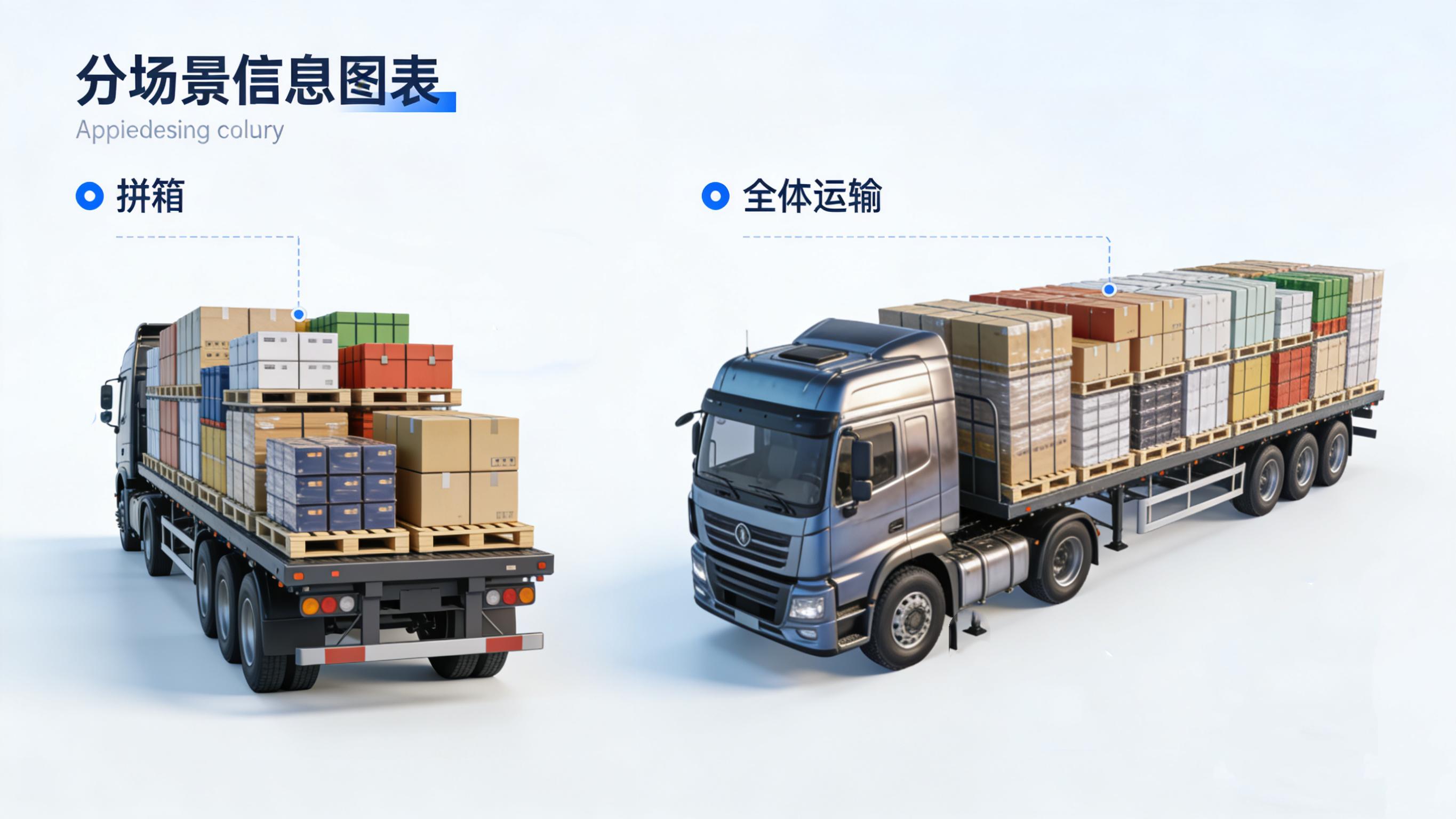
Visual comparison of LTL shipping (shared pallets) versus FTL full truckload - LTL Shipping vs FTL Shipping

Benefits of LTL Shipping for Small Businesses

For small businesses and e-commerce sellers, the advantages of LTL shipping are significant:

  • Lower Shipping Costs: You pay only for the portion of the trailer you use. Instead of renting an entire truck for a small load, your freight is combined with others, automatically saving money with minimal effort.

  • Improved Cash Flow & Inventory: LTL lets businesses ship smaller, more frequent loads. This reduces the need to hold large inventories and allows faster restocking. Companies can respond quickly to demand changes without overpaying for space.

  • Enhanced Security: LTL freight is typically palletized or crated. This means shipments are well-secured, and many carriers track pallets throughout transit. The more frequent movements are balanced by secure packaging; as one shipper notes, smaller, pallet-based LTL loads are often safer and easier to track than loose parcel shipments.

  • Eco-Friendly: Consolidated LTL shipments mean fewer total trucks on the road. As a result, LTL shipping “significantly reduces [its] carbon footprint” compared to sending every shipment separately. By choosing LTL, businesses not only save money but also reduce fuel use and emissions.

  • Flexibility and Service Options: Many LTL carriers offer a range of services (e.g., liftgates, residential delivery, guaranteed delivery, freight insurance) that can be tailored to the shipper’s needs. Carriers have also adopted advanced tech – online tracking, self-serve quoting, and transportation management systems – making LTL shipping more efficient and user-friendly.

Because of these benefits, LTL is a popular choice for small and midsize companies. LTL is perfect for small business shippers” because it brings “a lot of benefits that directly affect the business and its profitability.”

Choosing the Right LTL Freight Provider

Working with a reliable LTL carrier or 3PL is essential to maximize these benefits. When selecting an LTL provider, consider:

  • Service Coverage: Make sure the carrier operates in the regions and lanes you ship to. You should confirm that any carrier you use has coverage for your pickup and delivery locations.

  • Special Services: Does the carrier handle your needs? For example, if you require inside pickup, liftgate service, or white-glove delivery, check that these accessorials are available. A good LTL partner will discuss your freight’s special requirements (e.g., refrigeration, hazardous materials, heavy lifts) and include any extra charges up front.

  • Technology & Support: Look for providers with online quoting and tracking tools. Today’s best LTL carriers and brokers offer web portals where you can get multiple quotes quickly and track shipments in real time. This transparency makes planning easier. Also assess customer service – a 24/7 support or dedicated rep can help resolve issues quickly.

  • Reputation & Reliability: Check carrier reviews or ask peers for recommendations. Key metrics include on-time delivery rates, claims ratios, and safety ratings. Even among large carriers, service levels vary. It’s wise to compare pricing and service across several LTL carriers.

  • Cost & Agreements: Review how the carrier calculates rates and make sure there are no hidden fees. If you ship frequently, consider negotiating a volume contract with guaranteed rates.

At DR Trans, we help each client solve their shipping puzzles by matching shipments to the right carriers. With a network of reliable regional and national LTL connections, plus 24/7 dispatch support, DR Trans can secure capacity and optimize routes tailored to your needs. Our experts ensure your loads are handled safely and on schedule, bringing our customers a more professional transportation solution.

FAQ

  • What does LTL mean in shipping?
    LTL stands for Less-Than-Truckload. It means your shipment does not fill a full trailer. LTL freight is combined with other customers’ freight in the same truck. For example, a 2,000-lb pallet load would go on an LTL truck alongside other pallets until the trailer is nearly full. It is ideal for loads that are too big for parcel service but too small to justify a whole truck.

  • How are LTL shipping rates determined?
    LTL carriers base their rates on multiple factors. Key inputs include the distance shipped, the shipment’s weight and dimensions, and the freight class (which accounts for density and handling). LTL rates are based heavily on your shipments’ classification, as well as their weight, density, and value. In practice, you usually get a per-hundredweight (CWT) rate: a longer route costs more, and heavier loads are cheaper per pound than lighter ones. Special services (like liftgate or residential delivery) add extra fees. To calculate a quote, carriers combine all these elements into a total charge.

  • What are the benefits of using LTL shipping?
    LTL shipping offers several advantages. It saves money, since you pay only for the trailer space you use. It also lets businesses ship smaller, more frequent loads, improving inventory control. Consolidating freight means fewer trucks on the road, so it’s more environmentally friendly. Because LTL shipments are palletized and tracked, they tend to be more secure and easier to manage than many smaller package shipments. Finally, LTL carriers often offer flexible options (such as expedited services, guaranteed deliveries, etc.), giving shippers greater control over their logistics.

  • How do I choose an LTL freight provider?
    To pick the best LTL carrier, start by ensuring they serve your required lanes. Verify that any carrier or 3PL covers both your pickup and delivery areas. Check that they offer the services you need (special handling, equipment, insurance). Compare quotes and service levels: since a few carriers dominate the market, using an aggregator or 3PL can quickly show your best rate. Look at performance metrics (on-time rate, damage claims) and read customer feedback if available. In short, choose a reliable carrier, has the right equipment and gives transparent rates. Companies like DR Trans can help by leveraging our carrier network and expertise to find the most professional, cost-effective LTL solution for your shipments.

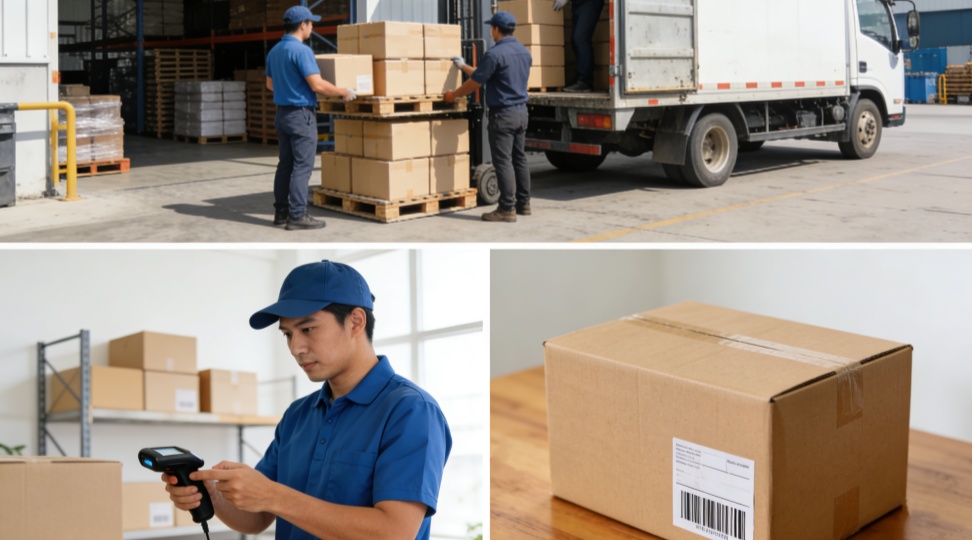
Small business logistics montage showing pallet loading, barcode scanning, and ecommerce packing - Benefits of LTL for small businesses

LTL freight shipping can significantly lower costs and improve efficiency for small and medium businesses. By understanding how LTL works, how rates are set, and how it compares to full truckload shipping, you can make informed shipping decisions. If you frequently ship partial loads, LTL is often the best choice. Partnering with a knowledgeable logistics provider like DR Trans will ensure you take full advantage of LTL’s benefits – solving your shipping challenges with professional guidance and a strong carrier network.

The Difference Between Vendors and Suppliers

The Difference Between Vendors and Suppliers

In the world of international logistics and supply chains, the terms vendor and supplier are often used interchangeably, but they play very different roles. Understanding what a vendor is and what a supplier is can help businesses – especially e-commerce companies – manage their inventory and shipping more effectively. For example, suppliers typically provide the raw materials needed for production, whereas vendors sell the finished products to consumers or retailers.

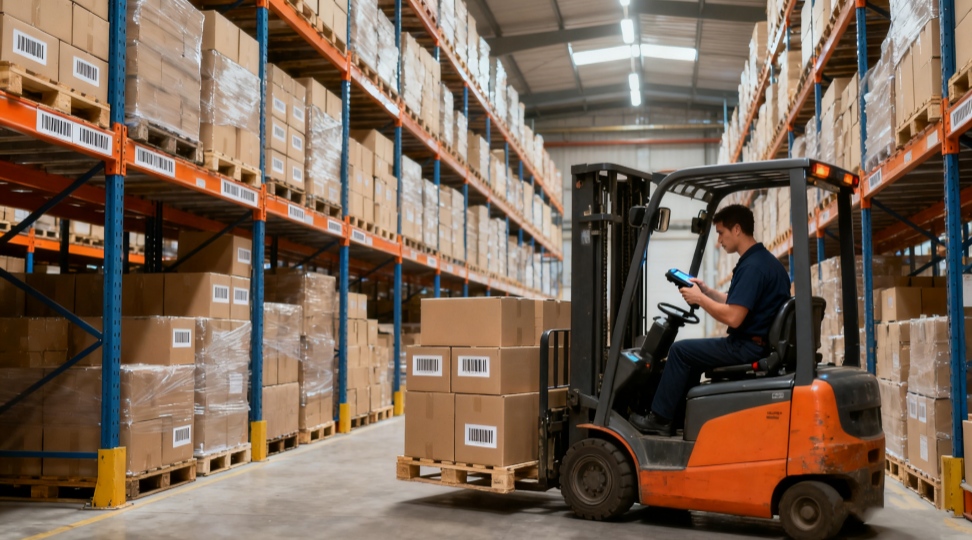
Supplier warehouse interior with pallets and forklift in motion

What is a Vendor?

A vendor (or seller) is a person or business that offers goods or services for sale. Vendors usually appear at the end of the supply chain, selling finished, ready-to-use products directly to customers or other businesses. In simple terms, vendors supply the products that buyers see on store shelves or online. For example, a retail store that sells electronics or a software company that sells software is a vendor: they purchase products (sometimes from distributors or wholesalers) and then sell them in smaller quantities to individuals or other businesses.

Types of Vendors in the Supply Chain

Vendors can take many forms depending on what they sell and how they operate. Common types of vendors include:

  • Manufacturers: Companies that produce finished goods from raw materials, often selling in bulk to other businesses.

  • Wholesalers: Traders who buy large quantities from manufacturers and sell smaller batches to retailers.

  • Retailers: Stores or online platforms that sell goods in small quantities directly to end consumers.

  • Service Vendors: Firms that provide services (like cleaning, IT support, or marketing) rather than physical products.

  • Online Vendors: E-commerce sellers or marketplaces that reach consumers through the internet.

Key Responsibilities of a Vendor

Vendors have several key duties in the supply chain:

  • Selling Products/Services: The main job of a vendor is to sell finished goods or fully rendered services to meet customer demand. For instance, a clothing vendor sells apparel, or an IT vendor sells software licenses.

  • Customer Service: Vendors interact directly with buyers. They answer questions, handle complaints, and provide after-sales support to build trust and loyalty.

  • Inventory Management: Keeping the right stock levels is crucial. Vendors use inventory systems and demand forecasting to avoid shortages or excess stock.

  • Timely Delivery: Vendors must deliver or ship products when promised. They often coordinate with logistics partners to ensure orders reach customers on time.

  • Market Adaptation: Vendors adjust their offerings based on trends and customer preferences. They may introduce new items or change prices to stay competitive.

What is a Supplier?

A supplier is a person or company that provides raw materials, parts, or services needed for manufacturing or production. Suppliers operate upstream in the supply chain and usually serve other businesses, not end consumers. For example, a metal fabricator that sells steel sheets to an appliance manufacturer is a supplier. Reliable suppliers maintain quality and consistency in their materials because delays or defects in raw inputs can halt entire production lines.

Types of Suppliers

Suppliers are categorized by the kinds of inputs they provide:

  • Raw Material Suppliers: Provide basic materials like wood, steel, oil, or chemicals used in production.

  • Specialty Suppliers: Offer custom or niche inputs for specific industries (for example, rare metals or high-grade chemicals).

  • Component Suppliers: Deliver pre-assembled parts or modules (such as engines, circuit boards, or textiles) used in larger products.

  • Hardware Suppliers: Provide tools, equipment, and machinery needed in manufacturing processes.

  • Service Suppliers (also called contractors) provide essential services like assembly or logistics support to other businesses.

Vendor vs Supplier - supply chain visual showing supplier warehouse and vendor shipping

Main Differences Between Vendors and Suppliers

Vendors and suppliers differ in several key aspects. The table below highlights these distinctions:

Aspect Vendor Supplier
Definition Sells finished products or services to end customers or retailers Provides raw materials or components to manufacturers or producers
Supply Chain Role Operates downstream, as the final link before the customer sees the product Operates upstream, as the source of materials used in production
Product Stage Offers finished, ready-to-use goods or completed services Supplies raw or semi-finished materials that need processing
Customers Sells to businesses or individual consumers (B2B or B2C) Sells primarily to businesses (B2B) like manufacturers or retailers
Relationship Often transactional or short-term; may change with demand Typically long-term and strategic; built on trust and consistency
Focus Focuses on meeting customer needs, including packaging and delivery of finished goods Focuses on quality, quantity, and timely delivery of inputs; maintains product standards

Figure: Key differences between vendors and suppliers in a supply chain. Suppliers (purple) provide raw inputs to producers, while vendors (green) deliver finished products to customers. Suppliers are generally at the beginning of the supply chain, delivering raw or semi-finished materials for production. Vendors are at the end of the chain, providing completed goods to customers. In practice, vendors never supply raw materials – that is the supplier’s role – and suppliers do not sell directly to end customers.

How Vendors and Suppliers Work Together

Vendors and suppliers have connected, complementary roles in a healthy supply chain. Suppliers keep production running by delivering key inputs on time, and vendors follow up by moving finished products to market. For example, if a bakery’s flour supplier consistently provides high-quality flour, the bakery (as a vendor to its customers) can keep bread on the shelves without interruption. Good communication and trust between vendors and suppliers also make a big difference, because it prevents misunderstandings and delays.

Benefits of Coordinating with Vendors and Suppliers

Working closely with reliable vendors and suppliers offers many advantages:

  • Consistent Quality and Supply: A trusted supplier partnership ensures a steady flow of high-quality materials. For instance, a strong supplier may prioritize your orders during peak demand, leading to stability and even favorable pricing in return.

  • Cost Savings and Efficiency: Long-term relationships often bring cost benefits. Suppliers and vendors may offer bulk discounts or more efficient delivery terms to loyal customers. Efficient vendors and suppliers also help reduce waste – for example, by optimizing inventory and shipments, they avoid stockouts and excess stock.

  • Competitive Pricing and Variety: Having multiple vendors means more options and better prices. Vendors compete to provide the best deals or newest products, helping you meet customer needs without overspending.

  • Timely Delivery and Satisfaction: Vendors focused on delivery ensure that goods arrive as promised, which keeps customers happy. When suppliers and vendors coordinate, orders are fulfilled on time, preventing delays and complaints.

  • Supply Chain Resilience: Coordinating both sides of the chain creates flexibility. If one supplier has an issue, adaptable vendors or backup suppliers can step in, preventing a total disruption and keeping the business running.

By treating vendors and suppliers as strategic partners, businesses can streamline operations, cut costs, and build a more resilient supply chain.

Frequently Asked Questions

Q: What is the difference between a vendor and a supplier?
A: Suppliers provide the raw materials or components that go into making products, working early in the supply chain. Vendors sell the finished goods or complete services to businesses or end consumers. In short, suppliers supply the inputs, while vendors sell the outputs.

Q: How do vendors and suppliers affect e-commerce logistics?
A: Both are essential in e-commerce. Suppliers ensure that manufacturers have the parts needed to produce items, and vendors (like online retailers) make those items available to customers. Efficiently managing these relationships helps prevent stockouts and delays. For instance, if an online store sources items from multiple suppliers and sells them on its website, clear vendor-supplier coordination keeps inventory stocked and orders fulfilled on time.

E-commerce vendor packing station with outgoing shipping boxes

Q: How does Dear Railway Transport (DR Trans) help solve shipping challenges?
A: Dear Railway Transport (DR Trans) is an international logistics provider that specializes in coordinating the flow of goods between suppliers and vendors. We offer end-to-end solutions tailored to each e-commerce client. For example, we provide temperature-controlled transport for perishable items, ensuring products stay at the correct temperature. We also use real-time tracking and maintain clear communication with all parties to avoid delays. By combining these professional methods, DR Trans helps each customer solve their unique shipping challenges.

Q: What is temperature-controlled logistics?
A: Temperature-controlled logistics means keeping products within specific temperature ranges during storage and transport. This is vital for sensitive goods like food or medicine. At DR Trans, we offer specialized refrigerated warehousing and vehicles with temperature monitors. This ensures that perishable products from suppliers or vendors arrive with their quality intact.

Q: Why is managing vendor and supplier relationships important?
A: Effective vendor and supplier management improves quality, lowers costs, and ensures on-time delivery. Strong partnerships can secure priority access to supplies and stable pricing. Clear communication and agreements prevent misunderstandings, which directly improve flow and efficiency. Overall, strategic management of vendors and suppliers makes an e-commerce business more reliable and adaptable.

Temperature-Controlled Logistics Solutions

Temperature-Controlled Logistics Solutions

Temperature-controlled logistics (also known as climate-controlled shipping) ensures that sensitive goods stay within the required temperature range throughout the supply chain. In practice, this covers both refrigerated shipping and heated service. In our interconnected world, goods travel across continents daily. But what happens when those goods are sensitive to heat or cold? A box of chocolates melting in the sun or a life-saving vaccine freezing during transit isn't just an inconvenience—it's a significant loss. This is where the precision of temperature-controlled shipping becomes critical.

What is Temperature Controlled Logistics?

At its core, temperature-controlled logistics is a specialized supply chain management method. It ensures that products are stored and transported within a specific, pre-set temperature range from the point of origin to the final destination. Unlike standard shipping, which doesn't account for climate changes inside a truck or cargo hold, this process actively manages the environment around the clock.

Global temperature-controlled shipping operations with refrigerated trucks and containers

Think of it as a mobile, sophisticated climate control system for your products. It’s not just about keeping things cold; it’s about maintaining a consistent environment, whether that means chilled, frozen, or even warmed. This is the foundation of reliable temperature-controlled international shipping, guaranteeing that your products arrive in the same perfect condition they were in when they left your warehouse.

Temperature Controlled Shipping: Cold and Hot – How to Choose?

The choice between cold and hot temperature-controlled delivery services depends entirely on the nature of your goods. The goal is always to preserve the product's integrity, safety, and efficacy.

Cold Chain Shipping (Refrigerated and Frozen)
This is the most common form of climate-controlled shipping. It involves maintaining products at a temperature below the ambient outside temperature.

  • Refrigerated Shipping (2°C to 8°C): This range is crucial for many perishables and pharmaceuticals.

  • Frozen Shipping (e.g., -15°C to -25°C): Used for goods that need to be kept solidly frozen.

  • Deep Frozen Shipping (e.g., -50°C and below): For highly sensitive products like some vaccines and specialty chemicals.

Heated Service (Protecting from Cold)
Less commonly discussed but equally important is the heated service for temperature-controlled cargo. This involves protecting goods from becoming too cold, which can be just as damaging as heat.

  • Why it's needed: Some liquids, like certain chemicals or palm oil, can solidify or crystallize if exposed to low temperatures. Electronics can also be damaged by condensation forming inside components when moving from a cold environment to a warm one. A consistent, ambient, or warm temperature is vital.

Each approach relies on equipment and packing: reefers and coolants for cold, or insulated/thermal trailers and heating for warm shipments. Below is a quick comparison:

Feature Refrigerated Shipping (Cold) Heated Shipping (Warm)
Temperature Range Typically +2°C to +8°C (chilled) or below –18°C (frozen) Generally +5°C and above (to prevent freezing)
Typical Cargo Perishables (food, flowers, vaccines) Susceptible items (chemicals, batteries, paints)
Equipment Refrigerated trucks, rail cars, or containers with AC units Insulated trailers or containers with heaters or hot packs
Use Case Fresh produce, frozen foods, temperature-sensitive drugs Lubricants, certain chemicals, and wind turbine blades in cold climates

Choosing cold or heated shipping depends on knowing how temperature affects the cargo. A well-chosen climate-controlled freight plan prevents losses, be it temperature-controlled shipping with a reefer unit or a specialized heated transport service.

How Refrigerated and Heated Shipping Works

Modern temperature-controlled shipping relies on specialized equipment and monitoring at every stage:

  • Refrigerated Vehicles and Containers: Trucks (reefers), rail boxcars, or cargo vans have built-in refrigeration units powered by the engine or independent generators. These units maintain the set chill or freezer temperature continuously. For long-haul routes, “active” refrigerated containers on ships or aircraft have their own power supply (or plug in on-deck).

  • Insulated (Passive) Containers: For smaller shipments or last-mile delivery, insulated coolers or thermal boxes (with foam and bubble insulation) are used. Shippers pack these boxes with gel packs or dry ice to create a controlled environment. Dry ice in particular keeps goods frozen without electricity. (Note: Dry ice is considered a hazardous material and must be labeled.)

  • Heated Trailers: For warm trucking, insulated trailers are equipped with small heaters or fuel-fired engines that keep the interior above freezing. These heated services remove the risk of freezing during winter or high-altitude transit.

  • Temperature Monitoring: Sensors, data loggers, and IoT devices track the cargo’s temperature in real-time. Modern carriers often provide live GPS and temperature reports, so any deviation triggers an alert. This visibility lets shippers adjust en route and ensures full transparency of the cold chain.

Refrigerated truck delivering fresh food and beverages under temperature controlled shipping

By combining the right vehicle (reefers or thermal trucks) with proper packaging (insulation, gel packs, dry ice) and technology, climate-controlled shipping is achieved. The process is carefully planned: carriers coordinate insulation, setpoint temperatures, and transit times to protect temperature-controlled cargo.

Suitable Cargo and Standard Temperature Ranges

Different products need different temperature windows. Common categories include:

  • Frozen (<–18°C): Ice cream, frozen meats, seafood, and pharmaceuticals requiring deep freeze. These need powered refrigeration or ample dry ice.

  • Chilled (2–8°C): Most refrigerated foods (dairy, fruits, vegetables, beverages) and vaccines. Cargo holds or trucks are set to around 4°C.

  • Controlled Ambient (15–25°C): Sensitive electronics, paper goods, normal climate cosmetics, or pantry items that must not freeze or overheat. They often ship in ventilated but unheated containers.

  • Heated (+5°C or higher): Chemicals, paints, liquid detergents, and batteries that would be damaged by cold. Heated trailers usually aim for around +5°C to +10 °C, depending on the commodity.

Standard Ranges: As one logistics guide notes, refrigerated shipments typically maintain about 2–8°C, while controlled-ambient cargo is kept near 15–25°C. These industry benchmarks ensure that temperature-sensitive cargo like food and vaccines stays safe. (Exact setpoints are always specified by the shipper based on product needs.)

Suitable Cargo for Cold Chain:

  • Perishable Foods: Fresh fruits, vegetables, dairy, meat, and seafood.

  • Pharmaceuticals: Vaccines, insulin, trial drugs, and other medicines.

  • Biologics: Blood plasma, tissue samples, and laboratory reagents.

  • Certain Chemicals and Flowers.

Suitable Cargo for Heated Service:

  • Certain Chemicals and Oils: Those with a high melting point that could solidify.

  • Electronics and High-Tech Equipment: To prevent condensation and cold-related damage.

  • Some Food Products: Like fresh produce from tropical regions that can suffer "chilling injury."

  • Artwork and Antiques: To protect from moisture and temperature fluctuations that can cause warping or mold.

Standards and Regulations in Temperature-Controlled Shipping

This industry is highly regulated to ensure public safety and product integrity. When you hire a provider for temperature-controlled delivery services, you are trusting them to comply with a web of international standards.

Key Global Standards:


Standard Full Name What It Governs
GDP Good Distribution Practice Provides guidelines for the proper distribution of medicinal products for human use, ensuring quality and integrity are maintained throughout the supply chain.
HACCP Hazard Analysis Critical Control Point A systematic, preventive approach to food safety that identifies and controls biological, chemical, and physical hazards.
FSMA Food Safety Modernization Act (US) Focuses on preventing food safety problems in the US supply chain, including strict rules for sanitary transport.

Compliance isn't optional. A reputable temperature-controlled shipping partner will have certifications and audited processes in place, particularly for temperature-controlled international shipping, where regulations can vary by country. They must provide documented proof that the temperature-sensitive cargo was handled correctly at every stage.

Pharmaceutical cold chain warehouse storing vaccines with temperature monitoring

Types of Temperature-Controlled Transportation

Temperature-controlled logistics uses multiple modes to serve global trade:

Refrigerated Vehicles (Trucks & Trailers)

Road transport is the backbone of cold chain logistics. Special refrigerated trucks and trailers (reefer vans) have insulated cargo compartments with refrigeration units. These reefers plug into the engine or a generator to chill goods at the required temperature. The image above shows a fleet of temperature-controlled vans ready for service. Trucking services offer FTL (full truckload) or LTL (less-than-truckload) options for cold freight. Multi-temperature trailers can even carry frozen meat at –18°C and chilled produce in the same vehicle. Temperature logging devices record conditions continuously, so shippers know that the refrigerator has been on.

Passive Shipping Containers (Insulated Boxes)

For shorter distances or smaller packages, shippers use passive solutions. Insulated foam coolers, thermal bubble wrap, and gel packs (or dry ice) keep items cold without power. These containers can be hand-carried or moved by courier. They maintain setpoints for several hours or days, depending on pack size. Passive containers are ideal for same-day deliveries or last-mile cold shipping. They rely on chemical coolants rather than electricity to preserve the cargo’s temperature.

Active Shipping Containers (Refrigerated Containers)

Larger than passive boxes, active containers have built-in refrigeration. They are used in rail, air, and ocean shipping of big loads. For example, a reefer container on a cargo ship is plugged into the vessel’s power to run its cooling unit. On airplanes, palletized reefer ULDs (Unit Load Devices) keep vaccines or seafood chilled in flight. Active containers let sea or air carriers treat the shipment like a rolling fridge. These solutions underpin major trade lanes, such as China-Europe cold chain routes that move tons of perishables by rail.

Temperature-Controlled Air Freight

Air freight is often chosen for urgent temperature-sensitive deliveries. Specialized cargo planes or charter flights can be fully refrigerated, enabling temperature-controlled shipping of delicate items across continents in a day. For example, medicines and biotech products frequently travel by air in active cooling pallets. The image above shows ground staff preparing temperature-sensitive pallets for flight. Air cargo offers the quickest transit (reducing temperature risk), but at a higher cost than sea or rail.

Sea and Rail Transport

Long-haul routes use refrigerated rail cars and ocean containers. Modern reefer containers on ships keep goods at setpoints using built-in coolers. Rail freight often uses temperature-controlled boxcars or piggyback reefer trucks on flatcars. While slower, these modes move large volumes economically. For international cold chain (e.g., Asia-Europe), rail is growing in popularity for its balance of speed and cost. DR Trans, for instance, offers Cold Chain Rail Transport between China and Europe, efficiently connecting large-scale goods with stable temperature-controlled cargo handling.

Frequently Asked Questions (FAQ)

  • Q: What is temperature-controlled freight shipping?
    A: It is the shipping of goods in vehicles or containers with regulated climate settings to preserve perishable products. This covers refrigerated shipping for cold goods and heated service for cargo that must stay warm. For example, carrying vaccines, food, chemicals, or electronics under strict temperature control ensures they arrive safely and effectively.

  • Q: What temperature ranges are maintained in such shipments?
    A: It depends on the product. Common regimes include Frozen (typically –18°C or colder), Refrigerated (around +2°C to +8°C), Controlled Ambient (~15–25°C), and Heated (+5°C or above). For instance, many pharmaceuticals are transported at 2–8°C while general ambient shipments stay around 15–25°C.

  • Q: What regulations govern temperature-controlled shipping?
    A: Regulations vary by cargo. Dry ice must follow DOT (49 CFR) and IATA rules as a hazardous material. Temperature-sensitive drugs and biologics must comply with health authority standards (e.g., FDA regulations, WHO GDP, IATA’s TCR guidelines). Carriers use certified equipment (like ATP-rated trucks) and follow labeling/record-keeping rules to meet global standards.

  • Q: How is the cargo’s temperature monitored during transit?
    A: Carriers often install IoT sensors, GPS trackers, and data loggers in shipping units. These devices continuously record temperature and location, sending real-time alerts if values deviate. This visibility allows logistics teams to intervene promptly, ensuring the cold (or warm) chain is never broken until delivery.

  • Q: What is heated service?
    A: Heated service is a special segment of temperature-controlled shipping that keeps freight warm. It is used when goods must be above freezing. For example, an insulated trailer with a heating element may be used in winter to protect lubricants, paints, or certain food items. According to logistics experts, heated trucking ensures a shipment “remains warm” on routes through subzero conditions.

  • Q: What types of carriers provide these services?
    A: Many freight companies offer dedicated temperature-controlled international shipping services. For road transport, we use fleets of refrigerated vans and heated trucks. For rail, we use cold storage cars or plug-in containers. For air and sea, we partner with carriers that handle active temperature-controlled containers. The key is choosing carriers with refrigerated, climate-controlled freight experience and certified processes.

DR Trans: Your Reliable Temperature-Controlled Logistics Expert

DR Trans is committed to providing professional temperature-controlled freight solutions for our global clients. Whether you’re shipping food, pharmaceuticals, chemicals, or electronic products, we design precise and efficient transport plans covering Europe, Central Asia, and Russia.

DR Trans temperature-controlled truck on China to Russia route for climate controlled shipping

We have completed cold chain shipping from China to Russia for pet food, frost-protection transport for lithium batteries, and pharmaceutical cold chain delivery. In addition, we offer the following cold chain logistics services:

Whether by road, rail, sea, or air, DR Trans ensures your temperature-controlled international shipping is safe, compliant, and transparent.
Contact us today to learn more about our professional climate-controlled shipping solutions.

Things You Need to Know About LCL – DR Trans Forwarding

Things You Need to Know About LCL – DR Trans Forwarding

LCL stands for Less-than-Container-Load. It is an international shipping term for a shipment that does not fill a whole container. In practice, your pallets or boxes will share a container with other shippers. You pay only for the space your cargo occupies (measured in CBM). For example, if you have 5 CBM of goods, you use an LCL service instead of booking a whole 20-foot container (about 33 CBM). This lets small or partial loads move by sea when you can’t justify the cost of a full container.

LCL shipping concept showing multiple small shipments consolidated into one container

What Is an LCL Shipment?

An LCL shipment is simply a cargo load that is too small to fill a full container. In other words, the goods of multiple shippers are consolidated into one container. This is why LCL is sometimes referred to as “groupage.” For example, Company A and Company B each ship a few pallets to the same port; a forwarder will load both companies’ goods into a single container and share the cost. You only pay for the space your own cargo uses.

LCL (Less-than-Container-Load) is a standard term in freight transport. It offers a way to move smaller loads internationally. Instead of waiting to fill an entire container, LCL allows businesses to export smaller quantities more frequently. It is ideal for smaller manufacturers or anyone who needs to send part of a container’s worth of goods.

Why Choose LCL Shipping?

LCL shipping and Small Parcel Shared Trucking have several advantages, especially for companies with limited freight volume or infrequent exports:

  • Lower Cost for Small Loads: You only pay for the space you use. LCL costs are charged per cubic meter and weight, so a 2 CBM shipment pays for 2 CBM, not the whole container. This makes LCL cheaper than booking an empty half-container. It also costs much less than air freight for moderate shipments. In practice, small shipments that don’t fill a container save money by choosing LCL.

  • Greater Flexibility: With LCL, you can ship whenever you’re ready, even if you have just a few pallets. You avoid delays or storage costs from waiting to fill a container. For example, if you need to restock overseas stores, you can send a small batch immediately. This flexibility speeds up your supply chain and reduces inventory holding costs.

  • Lower Inventory Costs: Shipping smaller quantities more often means carrying less stock at any time. You won’t tie up cash in large inventory. This improves cash flow and reduces warehousing fees in both the origin and the destination.

  • Accessibility for Small Businesses: LCL is perfect for small and medium enterprises (SMEs) or first-time exporters that don’t have 15+ CBM to fill a container. It makes international shipping accessible – even a startup or a small factory can afford to ship overseas. You can send trial orders or partial shipments without committing to a large volume.

These points explain why LCL is popular among smaller shippers. It enables the on-time shipment of small cargo and offers cost savings. In short, LCL is cost-effective and practical for any modest shipment that won’t fill a full container.

LCL vs. FCL: How to Choose

If you have a full container’s worth of cargo, FCL (Full-Container-Load) may be more economical. With FCL, you pay a flat rate for the whole container, and your goods stay sealed from origin to destination. FCL is often faster and involves less handling, since you don’t consolidate with other shipments.

However, if your cargo is small or you want a lower upfront cost, LCL is usually better. You pay per CBM for just your share of a container. LCL lets you ship smaller loads without waiting. It involves a bit more handling (loading and unloading multiple shipments), but the trade-off is lower cost for small volumes.

Below is a quick comparison:

Factor LCL (Less-than-Container-Load) FCL (Full-Container-Load)
Payment Pay per CBM for your cargo Flat rate for the entire container
Shipment Size Best for small loads (<15 CBM) Best for large loads (15+ CBM)
Flexibility High – ship anytime, partial loads Limited – one container, one consignee
Upfront Cost Lower for small shipments Higher (you pay for any space)
Handling More handling (consolidation/deconsolidation) Sealed container (less handling)

In general, if your cargo nearly fills a container, choose FCL to save per-unit cost. If you only have a few pallets or under ~10–15 CBM, LCL usually saves money. DR Trans Forwarding can help you compare rates and transit times for both options to pick the best one for each shipment.

How Does LCL Shipping Work? A Simple, Step-by-Step Guide

The process of an LCL delivery is straightforward when broken down. Here’s how it works with a professional partner like DR Trans Forwarding:

  1. Export Haulage: We collect your goods from your warehouse or supplier.

  2. Consolidation Warehouse: Your cargo is taken to a secure consolidation warehouse at the port of origin. Here, our experts carefully plan and pack your goods with other LCL cargo destined for the same port.

  3. Customs Clearance: We handle all the necessary export customs documentation for you.

  4. Ocean Freight: The consolidated container is loaded onto the vessel and shipped to the destination port.

  5. Deconsolidation: Upon arrival, the container is moved to a warehouse, where it is unpacked. Your shipment is separated from the others.

  6. Import Customs Clearance: Our team at the destination clears your goods through import customs.

  7. Final Delivery: Your goods are then delivered to your final address.

Secure LCL packing and palletizing showing protective packaging and label handling

Because of consolidation steps, LCL transit is usually a few days longer than FCL. DR Trans manages all of these steps for you. We handle the pickup, coordinate consolidation, arrange Customs clearance, and arrange final delivery – giving you a door-to-door LCL solution.

What is a Minimum Charge in LCL?

In the context of an LCL shipment, you might encounter the term "Minimum Billing." This refers to the smallest amount a freight forwarder will charge for a shipment, regardless of how small your cargo is. For example, if the minimum is for 1 CBM but your box is only 0.5 CBM, you will still be charged for 1 CBM. This covers the fixed costs of handling and documentation, which are similar for both large and very small consignments.

Is LCL Cargo the Right Fit for My Business?

LCL business models are ideal for a wide range of companies. Ask yourself these questions:

  • Is my shipment volume consistently below 15 CBM?

  • Am I a startup or SME looking to minimize upfront shipping costs?

  • Do I need the flexibility to ship frequent, smaller orders?

  • Am I testing a new product in an international market?

If you answered "yes" to any of these, then an LCL delivery method is likely a perfect fit for your logistics strategy.

Cross-Industry LCL

Yes – it’s common to mix different types of goods in one LCL container as long as they are compatible. Freight forwarders routinely consolidate shipments from various industries. For example, a container may carry garments from one company and electronics from another, provided each is properly packed. The key is proper packaging and adherence to regulations. Hazardous or special cargo (like chemicals or perishables) must be declared and handled separately.

If your goods are ordinary commercial cargo, they can be consolidated with other companies’ items. If you do have sensitive cargo (food, medicine, etc.), DR Trans offers refrigerated (temperature-controlled) LCL service. In general, as long as each consignment is securely packed, cross-industry consolidation works smoothly.

How Much Does LCL Cost? Understanding the Savings

We cannot quote a specific LCL shipment price here as it varies by route, volume, and market conditions. However, we can explain how the cost is calculated and why it saves you money.

The primary cost driver for LCL cargo is volume, measured in Cubic Meters (CBM). The formula is simple: Volume (CBM) x LCL Freight Rate.

Why does this save you money?

  • No Paying for Air: You are not financially penalized for the space in a container. Your costs are directly proportional to the space you use.

  • Shared Fixed Costs: The costs of the container, ocean freight, and port fees are shared among all shippers in that container. This collective bargaining power gives you access to lower rates than you could achieve on your own.

  • Predictable Budgeting: With a clear cost-per-CBM, it's easier to calculate your logistics expenses and price your products competitively.

Is LCL Shipping Safe?

Yes – LCL can be very safe when handled by professionals. At DR Trans, we use strict procedures to protect your cargo:

  • Experienced Handlers: Trained logistics staff handle your goods at every step, from pickup to delivery. We check that pallets are secure and label everything correctly. This minimizes the risk of damage during loading or unloading.

  • Proper Packaging: All LCL cargo must be well-packed on pallets or in sturdy boxes. Items should be strapped or wrapped so they don’t come loose. Proper packing is crucial because LCL containers are opened and unloaded multiple times.

  • Approved Warehouses: Consolidation and deconsolidation take place in licensed Container Freight Stations. These facilities are clean, secure, and monitored. DR Trans works only with vetted warehouses, ensuring your goods are stored safely before and after the ocean voyage.

  • Sealed Containers: Once loaded, the container is sealed at the origin and remains sealed until it reaches the destination CFS. This seal protects your cargo during transit.

  • (Optional) Insurance: We recommend cargo insurance for added protection. It covers any unlikely losses or damages during shipping.

CFS consolidation for LCL shipments showing workers sorting and loading parcels into containers

By following these best practices, LCL shipping is generally as safe as any container shipment. Our clients trust us with all kinds of cargo, including sensitive or high-value items. With DR Trans’s professional team and secure processes, your LCL delivery will arrive intact.

Frequently Asked Questions (FAQ)

Q: What does LCL stand for?
A: LCL stands for Less-than-Container-Load. It describes a shipment that doesn’t fill an entire container. Multiple shippers’ goods share the container to save cost.

Q: How do I choose between LCL and FCL?
A: Generally, if you have a large shipment (15+ CBM), FCL might be more cost-effective and faster. If you have a smaller load, LCL is often better, since you only pay for the volume you use. DR Trans can help you compare both options for your specific cargo.

Q: Is there a minimum size for LCL?
A: Yes, most carriers require a minimum volume, usually about 1 CBM or one pallet. If your shipment is smaller than that, you will be charged at the minimum.

Q: How is the cost of LCL shipping calculated?
A: The cost is mainly based on volume (CBM) and sometimes weight. You pay a freight rate per CBM and a rate per ton (if the weight is heavy), plus handling fees. You will not pay for unused space. DR Trans provides a detailed quote so you can see all costs clearly.

Q: Is LCL shipping safe?
A: Absolutely. When managed by a professional forwarder, LCL is very safe. DR Trans uses trained staff, secure packing, and approved warehouses to protect your goods. Containers are sealed during transit. We also recommend cargo insurance for extra peace of mind.

Q: Why should I use DR Trans Forwarding?
A: DR Trans specializes in LCL solutions for smaller shipments. We offer expert advice, secure handling, and transparent pricing. Our global network and experienced team ensure your cargo arrives on time and intact, with the support you need every step of the way.

Conclusion

LCL (Less-than-Container-Load) shipping is a smart solution for any cargo that won’t fill an entire container. It lets you ship smaller loads more frequently, saves money, and keeps your supply chain flexible. By partnering with a reliable forwarder, you can use LCL with confidence, knowing your goods are safe and shipments are optimized.

Temperature-controlled LCL shipping scene showing refrigerated container and secure handling by forwarding staff

DR Trans Forwarding is committed to making your international LCL shipments smooth and worry-free. We combine professional handling with personalized service, so even if you have a small shipment or are new to export, your cargo is in expert hands. Trust DR Trans to deliver your LCL cargo efficiently and securely on every shipment.

Ready to optimize your supply chain with efficient LCL shipping? Contact DR Trans Forwarding today for a personalized quote and let us help you ship smarter.

Types of Supply Chains Models, Benefits, and Logistics Integration

Types of Supply Chains: Models, Benefits, and Logistics Integration

A supply chain is the complete network of organizations, people, activities, information, and resources involved in moving a product or service from its origin to the end customer. In practice, a supply chain typically involves three stages: supply (sourcing raw materials), manufacturing (transforming materials into products), and distribution (delivering finished goods). Modern global supply chain networks can span multiple countries and involve many tiers of suppliers, making them extremely complex. Effective coordination across these stages is essential, which is why strong supply chain management is vital for businesses. The next section explains why managing the supply chain efficiently makes a big difference to a company’s performance.

The figure above illustrates a basic corporate supply chain. It shows how materials flow from upstream suppliers through a company’s procurement, production, and sales processes, finally reaching customers. This flow mirrors the typical supply-chain stages described above. In supply chain terms, movement from suppliers to manufacturers is called “upstream,” while the path from factories to end customers is “downstream”. By mapping out these flows, companies can optimize inventory, transportation, and customer demand planning across their supply chain.

supply chain process flow diagram showing sourcing, manufacturing, and distribution

Why Supply Chain Management Matters

Efficient supply chain management has a direct impact on a company’s bottom line and customer satisfaction. Key benefits include:

  • Cost and Profitability: Supply chain activities can consume a large percentage of revenue, often 10–20%. Eliminating waste and optimizing supply chain processes lowers operating costs and boosts profit margins.

  • Cash Flow: Improved planning and coordination prevent excess inventory or rush shipments, freeing up cash. In other words, good supply chain management reduces working capital tied up in logistics.

  • Competitive Advantage: Fast, reliable fulfillment can set a company apart. As NetSuite notes, customers now expect next-day or same-day delivery, so a high-performing supply chain delivers a real competitive edge.

  • Risk Management: The supply chain is a major source of risk (weather delays, demand spikes, etc.). Proactive supply chain planning and visibility mitigate disruptions that can damage our reputation.

  • Revenue Growth: When demand surges, an agile supply chain lets a business respond quickly and capture sales. A well-run chain helps companies ramp up production and delivery speed, leading to higher revenues.

In summary, every dollar saved through supply chain optimization adds directly to profitability, while service improvements (faster shipping, on-time delivery) build market share. This is why strategic supply chain management (SCM) is a high priority for modern businesses. For example, SCM is defined as managing all of a company’s supply chain activities – from sourcing to customer delivery – often using integrated ERP systems.

Common Supply Chain Models

Companies typically design their supply chains around key priorities – mainly cost efficiency versus responsiveness. Six standard supply chain models are often cited:

Supply Chain Model Focus Best For Use Cases
Efficient Low-cost, end-to-end efficiency Commodity products with stable demand (e.g., rice, fuel)
Fast Speed to market Short-life-cycle or trend-driven products (e.g., fashion, electronics)
Continuous Flow High customer service, inventory turnover Industries with very stable supply and demand (e.g., basic consumer goods)
Agile Flexibility and quick response Customized or unpredictable products (e.g., custom machinery)
Custom-configured Product variety and customization Companies offering many product versions (e.g., automotive mix-and-match parts)
Flexible Handling demand spikes Seasonal or emergencies requiring rapid scaling (e.g., relief supplies)
 

six types of supply chain models including efficient, fast, agile, and flexible strategies

These models highlight trade-offs: cost-focused chains (Efficient, Fast, Continuous) rely on accurate forecasts and tight inventories, while responsiveness-focused chains (Agile, Custom, Flexible) emphasize speed and flexibility to meet changing demand. For example, an efficient supply chain model is ideal for low-margin commodities and stresses forecast accuracy, whereas an agile model is designed for highly customized products made in small batches.

Supply Chain Strategies: Lean vs Agile

Beyond these models, businesses often adopt specific strategies based on their market needs. A lean supply chain focuses on efficiency and waste reduction (think Toyota’s production system). It uses practices like just-in-time inventory to minimize excess stock and eliminates any processes that do not add value for the customer. In stable, predictable markets, lean (efficient) chains maximize profitability.

In contrast, an agile supply chain prioritizes speed and flexibility to handle changing demand. Agile chains use safety stock and rapid transportation to adapt quickly. As Procurify explains, “a lean supply chain focuses on efficiency, cost reduction, and minimizing waste,” whereas “an agile supply chain emphasizes flexibility and responsiveness” to unpredictable demand.

lean vs agile supply chain strategy comparison showing cost efficiency and flexibility

Harvard’s Fisher model connects this to product types: functional products (with stable demand and long life-cycles) suit lean/efficient supply chains, while innovative products (unpredictable demand, short life-cycles) require agile, responsive chains. For example, a generic consumer good (functional) best uses an efficiency-focused chain, whereas a trendy gadget (innovative) needs an agile chain with fast lead times. Many companies now use hybrid strategies, blending lean and agile methods (often enabled by technology) to balance cost and service.

Specialized Supply Chain Categories

Supply chains can also be categorized by scope or special purpose. For instance, a direct supply chain is a simple linear flow from manufacturer to wholesaler to retailer. An extended supply chain goes further, linking suppliers-of-suppliers and customers’ customers for full end-to-end visibility.

Other important types include:

  • Global Supply Chain: Involves multiple countries and transport modes. According to industry sources, modern global chains are “extremely complex” due to internationalization. Managing a global supply chain means dealing with diverse regulations, currencies, customs, and longer lead times.

  • Green (Sustainable) Supply Chain: Incorporates environmental and social responsibility. Companies using green supply chain practices focus on reducing waste, energy use, and emissions throughout sourcing and logistics to meet ESG goals.

  • Digital Supply Chain: Leverages technology (IoT, AI, big data) to connect all partners. A digital chain provides real-time visibility into inventory and shipments, enabling automated decision-making and optimization. For example, digital platforms can automatically reorder stock and select optimal carriers based on current demand forecasts.

  • Flexible and Resilient Supply Chain: Sometimes listed separately, this type emphasizes adaptability and quick recovery from disruptions. It overlaps with agile strategy but often includes backup suppliers and extra capacity for resilience.

Each category addresses specific business needs – for instance, a consumer electronics company might need a highly agile and digital supply chain, while a bulk chemical producer might prioritize an efficient, global chain.

How the Supply Chain Affects Logistics

Logistics – the transport, warehousing, and delivery of goods – is a critical subset of the supply chain. Logistics costs (transportation fees, warehousing, labor, packaging, etc.) make up a significant portion of total supply chain expenses. Any improvement in the overall supply chain will directly benefit logistics performance.

For example, Flowspace notes that logistics costs include “expenses incurred when moving product from sourcing to final delivery,” covering transportation, storage, and handling. By streamlining the supply chain, such as consolidating shipments, optimizing inventory locations, or using a third-party logistics (3PL) partner, companies can reduce these costs. NetSuite emphasizes that logistics is part of the supply chain focused on moving goods, meaning effective supply chain planning (like network design and demand planning) leads to faster, more reliable deliveries and lower transportation spend.

In practice, better supply chain coordination translates to concrete logistics gains: fewer stockouts, less emergency air freight, and more efficient warehouse operations. For instance, by integrating supply chain technology (like real-time tracking), companies can improve delivery accuracy and reduce delays. Ultimately, strong supply chain management improves both cost control and service quality in logistics.

Frequently Asked Questions (FAQ)

Q: What is the difference between supply chain and logistics?
A: The supply chain covers the entire end-to-end journey of a product, from raw materials and production to final delivery. Logistics is a key part of that chain, specifically focused on transporting and storing the goods. In other words, logistics is “the part of the supply chain comprising management of the warehouse and transport flows”. Supply chain management looks at the big picture (procurement, manufacturing, distribution planning), while logistics management focuses on moving and storing inventory efficiently.

Q: Why is supply chain management important for my business?
A: Effective SCM directly impacts profitability and customer satisfaction. An optimized supply chain cuts costs (reducing waste and excess inventory), improves cash flow, and provides competitive advantages through faster delivery. It also mitigates risks (like supplier disruptions) and enables the company to scale up quickly when demand rises. In short, strong supply chain management can boost revenue and protect profit margins.

Q: What are some common supply chain models or types?
A: Many frameworks exist. Industry experts often cite six models: Efficient, Fast, Continuous flow, Agile, Custom-configured, and Flexible (see table above). Each model suits different scenarios – for example, an Efficient chain is ideal for cost-competitive commodities, while an Agile chain suits customizable or unpredictable products. Other categorizations include lean vs. digital vs. green supply chains, or direct vs. extended networks, depending on a company’s strategy.

Q: What is the difference between a lean and an agile supply chain?
A: A lean supply chain emphasizes cost efficiency and waste reduction – it uses practices like Just-In-Time production to minimize excess inventory. This works best in stable demand environments. An agile supply chain, in contrast, emphasizes flexibility and responsiveness to customer needs. Agile chains hold safety stock and use fast transportation to adapt to sudden changes. The choice depends on the products and market – for example, predictable products often use lean methods, while highly variable or customized products require an agile approach.

Q: How does working with a 3PL (third-party logistics) provider help my supply chain?
A: A 3PL partner can act as an extension of your company’s supply chain. They handle tasks like warehousing, order fulfillment, transportation, and even customer support. As one industry example explains, a 3PL “manages the complete supply chain” on your behalf, delivering accelerated cash-cycle times and improved service quality. In practice, this means faster order processing, better shipment visibility, and often lower costs (since 3PLs leverage scale). Companies like DR Trans offer this expertise: by becoming your virtual logistics department, we resolve complex shipping challenges and streamline the entire transport process.

Q: How can DR Trans solve my shipping challenges?
A: DR Trans applies professional supply chain methods to every client’s needs. Acting as your logistics partner, we customize solutions – whether through 3PL-style services or hybrid models – to optimize delivery. For example, we manage end-to-end shipment workflows, which “provides a consistent customer experience and delivers accelerated order-cycle times”. In short, DR Trans brings proven supply chain strategies to your business, ensuring reliable international transport, faster transit times, and better overall logistics performance.