What Makes Phenolic Resin a Top Engineering Choice?

Compared to thermoplastic resins, thermosetting resins are fewer in type and quantity, and often play a "supporting" role. The first synthetic resin ever manufactured by humans was called phenolic resin. Phenolic resin is a thermosetting resin with good balanced properties and is currently sold in the form of laminates (where the resin and base material are interwoven). Phenolic resin continues to play an active role in advanced materials and other unique fields, and can be said to be a resin that influences and supports our daily lives.


Bakelite


1. What is Phenolic Resin?

Overview of  Phenolic formaldehyde resin

Bakelite is a thermosetting resin known as phenolic resin (Bakelite Phenolic Resin). In industrial applications, it is a thermosetting sheet material applied to paper and fabric. It is also used in adhesives, coatings, electrical insulation materials, and other applications. Its raw materials are phenol and formaldehyde. By mixing these raw materials with acidic or alkaline catalysts and necessary curing agents and heating them, phenolic resin with a three-dimensional network structure can be produced. As a relatively inexpensive thermosetting resin, phenolic resin has excellent heat resistance, strength, and electrical insulation properties, and has been applied to various fields to date. With the emergence of thermoplastic resins, its application areas have gradually changed, but it continues to evolve in its own way to meet new market demands. To this day, various applications are still being developed to fully utilize the unique properties of phenolic resin, and its application areas are expected to continue to expand.


History of Phenolic Resin Development

Phenolic resin was discovered in 1872 by a German chemist during research on phenolic dyes; in 1907, a Belgian-American chemist patented the manufacturing method. In 1910, Baekeland established a phenolic resin company to achieve industrial production of phenolic resin and named the product "Bakelite" after himself. This name is still used today.


Types of Phenolic Resin

Currently, phenolic resin is generally not circulated as the resin itself, but in the form of laminates made by mixing the resin with a base material (paper or fabric). The manufacturing method involves coating each substrate with resin and then curing it through heat treatment. Laminates with paper as the base material are called "bakelite paper," and those with cloth as the base material are called "bakelite cloth." The characteristics of each product are as follows:

  • Phenolic Paper

Phenolic paper is a product made by interweaving phenolic resin with paper. It is cheaper (approximately half the price) and lighter than phenolic cloth. Phenolic paper is recommended for electrical insulation applications. However, it should be noted that since the base material is paper, it has high water absorption.

  • Phenolic Cloth

This is a phenolic resin with cloth as the base material. Compared to phenolic paper, it has superior mechanical properties and is therefore often used in applications requiring high strength. On the other hand, like phenolic paper, this base material also has high water absorption, so it must be used in environments with low moisture content.


2. Characteristics of Phenolic Resin

Advantages of Phenolic Resin

  • High Heat Resistance

Phenolic resin is a thermosetting resin, which means it has strong heat resistance. It can withstand temperatures up to 150-180°C and maintain its strength even under high-temperature conditions.

  • Excellent Electrical Insulation Performance

Phenolic resin has high electrical insulation performance, so it is used as an insulating material in printed circuit boards, circuit breakers, and switchboard coatings.

  • High Mechanical Strength

High mechanical strength is also a major advantage of phenolic resin. In particular, phenolic cloth has higher strength than phenolic paper, so phenolic cloth is often used in applications requiring impact resistance. However, it should be noted that the strength is affected by the fiber direction in the base material (paper and cloth).

  • Suitable for Injection Molding

When processing phenolic resin as a resin monomer, it can be processed using the same injection molding method as thermoplastic resins. The phenolic resin is heated to a temperature that does not cause hardening (approximately 50°C), then injected into a mold, and then heated to 150-180°C to cure it.


Disadvantages of Phenolic Resin

  • Difficult to Recycle

Phenolic resin is a thermosetting resin, and once cured and molded, it cannot be remolded, making recycling difficult. Currently, companies such as Sumitomo Bakelite Co., Ltd. are advancing research on the recycling and reuse of phenolic resins.

  • High water absorption

Phenolic resins sold in laminate form contain paper or cloth as a base material. Therefore, they have high water absorption and are not suitable for use in wet environments or environments with high humidity.

  • Low weather resistance and susceptibility to alkaline solvents

Phenolic resins are sensitive to ultraviolet radiation and must be used with caution outdoors. In addition, phenolic resins are easily soluble in alkaline substances.


3. Main Uses of Phenolic Resins

Since its industrial production began in 1907, phenolic resin has been widely used in everyday products around us, such as tableware, kitchenware, buttons, clocks, and clothing accessories. However, with the invention of various thermoplastic resins such as nylon and fluororesins, some applications of phenolic resin have been replaced by thermoplastic resins due to considerations of moldability and cost. Nowadays, the direct molding and processing of phenolic resin itself is gradually decreasing. However, phenolic resin still has a wide range of applications due to its unique properties. For example, phenolic resin, leveraging its excellent electrical insulation properties, is used in printed circuit boards, distribution panels, and circuit breakers. Printed circuit boards are not only essential materials for IT equipment such as personal computers and tablet computers, but also indispensable components in modern electrical products. Therefore, it is no exaggeration to say that phenolic resin can be applied to all areas of electricity use. In addition, it can be used as an adhesive, shell molding material, and coating. For example, phenolic resin is used as an adhesive in sand molds for casting and materials for 3D printers. Furthermore, its solubility in alkaline substances and its ability to absorb light at wavelengths of 200-300 nm make it suitable for use as a photoresist material. It is also widely used as a high-performance material in other fields, such as metal replacement parts, negative electrode materials for lithium-ion batteries, and activated carbon raw materials in the pharmaceutical industry. In 2010, the space capsule that returned samples from the asteroid "Itokawa" also used phenolic resin as a heat insulation material.


Phenolic resin, also known as Bakelite, was the world's first synthetic resin, developed over 100 years ago. It is a relatively inexpensive thermosetting resin with excellent heat resistance, strength, and electrical insulation properties, and offers a balanced performance profile. It is generally not marketed as the resin itself, but rather in the form of laminates made by mixing the resin with a base material (paper or cloth). Advantages of phenolic resin include excellent heat resistance and electrical insulation, high strength, and processability through injection molding. On the other hand, phenolic resin also has disadvantages such as difficulty in recycling, high water absorption, and susceptibility to ultraviolet radiation. Currently, phenolic resin is widely used in various fields, including printed circuit boards, switchboards, adhesives, coatings, photoresist materials, and negative electrode materials for lithium-ion batteries. Further advancements in its application areas are expected in the future.


Website: www.elephchem.com

Whatsapp: (+)86 13851435272

E-mail: admin@elephchem.com

Defoamers in Water Treatment Improving System Stability and Efficiency

Foam is a frequent challenge in water treatment systems, especially in aeration tanks, biological treatment units, sludge handling, and industrial effluent processes. Excessive foam not only disrupts oxygen transfer and microbial activity but also leads to equipment overflow, pump cavitation, and reduced treatment efficiency. To maintain smooth operation and meet discharge standards, the use of effective defoamers is essential.


In biological wastewater treatment, foaming often results from surfactants, organic compounds, and filamentous bacteria. A suitable defoamer helps rapidly break surface bubbles, suppress second-generation foam, and keep aeration systems stable. In sludge dewatering and chemical dosing stages, defoamers improve separation efficiency and help prevent foam-induced delays or equipment contamination. For high-COD industrial wastewater—such as textile, pulp & paper, and chemical plants—defoamers support continuous, safe, and compliant operation.

Modern water treatment increasingly demands solutions that work in high-temperature, high-alkalinity, or biosensitive environments. As a result, low-toxicity, fast-spreading silicone and polyether formulations are widely favored. Selecting the right defoamer depends on foam cause, water quality conditions, and system dynamics. A well-designed foam control strategy not only improves treatment stability but also lowers chemical and maintenance costs over the long term.

Why Choose Rickman Defoamer for Water Treatment

Rickman defoamers are formulated to perform in complex water environments, offering fast foam-knockdown, long-term suppression, and good compatibility with biological processes. From biological aeration to industrial effluent and sludge handling, our product line provides options that minimize surface tension quickly without interfering with microbial activity or treatment chemistry.

In addition to high-performance products, Rickman is committed to delivering professional service and technical support. Our team provides tailored product recommendations, on-site guidance, and rapid response assistance to help customers optimize foam control strategies and improve system efficiency. With reliable supply capability and experience across diverse applications, Rickman supports stable and sustainable water treatment operations.


Click on the related products links:RK-500P(Polyether Defoamer For Paper Industry)/RK-1215A(Water-based Silicone Antifoam Agent

Enhancing Pulp, Paper, and Concrete Production with Advanced Defoamer Solutions

In both the pulp & paper and concrete industries, foam control plays a crucial role in maintaining process stability and final product quality. Excessive foam can interfere with pulp washing, coating, or cement mixing, leading to production inefficiencies, material waste, and compromised surface finishes. Selecting the right defoamer ensures a smoother operation, higher yield, and consistent results across all production stages.


In the pulp and paper industry, foam forms easily during processes such as washing, bleaching, and paper coating. Persistent foam traps air, affects drainage, and weakens the uniformity of the paper sheet. A well-formulated defoamer rapidly breaks surface bubbles, disperses entrained air, and stabilizes production efficiency without leaving oil spots or affecting brightness.

In the concrete and building materials industry, controlling air content is equally important. Excess foam during concrete mixing can reduce density, compromise strength, and create visible surface defects. High-performance defoamers help eliminate unwanted air, improve flow and compactness, and ensure a uniform, durable finish suitable for demanding construction environments.

Rickman defoamers deliver consistent, effective foam control for both pulp and paper processing and concrete applications. Designed for long-lasting stability and compatibility with various formulations, Rickman products improve efficiency while reducing maintenance costs. Beyond products, Rickman offers tailored technical support, on-site troubleshooting, and application-specific optimization to ensure every customer achieves optimal results.


Click on the related products links:RK-0036(High Antifoaming Defoamer Compound)/RK-5DS(High Antifoaming Performance Pulp Antifoam

Foam Control Matters in the Construction Industry The Role of Defoamers

Foam formation is a common challenge in cement, mortar, concrete admixtures, and other construction chemicals. Mechanical mixing, surfactants in additives, and polymer-rich formulations often trap air, leading to persistent foam. In construction, this is more than a visual problem—excessive foam can weaken concrete strength, reduce bonding performance, and cause uneven surfaces or pinholes in coatings and sealants.


In cementitious systems and polymer-modified building materials, stable foam can reduce compressive strength and durability. It may also disrupt workability, making pumping and application inconsistent. To maintain smooth flow, proper compaction, and reliable surface finish, many manufacturers introduce high-performance defoamers into their formulas.

A well-designed construction defoamer helps release entrapped air quickly, improves density, and supports uniform curing. Silicone, mineral-oil, and polyether-based defoamers are commonly used depending on system pH, viscosity, and interaction with other additives. For construction materials like plaster, putty, waterproof coatings, and repair mortars, compatibility and long-term stability are essential. An effective defoamer ensures consistent texture, reduced defects, and improved performance throughout production and application.

Rickman defoamer solutions are designed for modern construction systems. Our defoamers offer balanced foam-breaking and foam-suppression functions without affecting material flow or mechanical strength. Rickman also delivers technical evaluation, formula guidance, and tailored recommendations to help partners optimize performance in real construction environments. From product selection to after-sales support, we work closely with customers to ensure consistent quality and efficiency in every batch.


Click on the related products links:RK-1210S(High efficiency Water Based Defoamer)/RK-600P(High Efficiency Cement Antifoam

Foam Control Solutions for the Oil & Gas Industry

Foam-related challenges are common throughout oil and gas operations, from drilling and cementing to production and refining. Surfactants in drilling fluids, high agitation in mixing systems, and gas entrainment during circulation often create persistent foam. If unmanaged, foam can reduce mud density, disrupt pump efficiency, and interfere with solids control equipment—ultimately increasing operational costs and safety risks.


In drilling and completion fluids, foam may also trap air and gas, affecting pressure stability and inhibiting proper lubrication and cooling. During cementing, uncontrolled foam can lead to inconsistent slurry density, reduced compressive strength, and poor zonal isolation. In amine gas treating units, excess foam contributes to reduced absorption efficiency, higher amine losses, and unplanned downtime. Because of these factors, reliable defoamer performance is essential to keeping processes stable and efficient.

Modern oilfield operations require defoamers that perform under demanding conditions. Silicone, polyether, and specialized non-silicone formulations are used to rapidly break surface foam and prevent reformation under shear. Compatibility with high temperatures, salinity, and complex fluid chemistries is also critical. A well-selected defoamer helps maintain fluid integrity, improves separation efficiency, and supports smoother production and refining processes.

Rickman defoamer solutions are engineered for oil and gas applications, offering fast response and long-lasting suppression across drilling muds, cement slurries, fracturing fluids, and amine systems. Our team provides technical support, sample evaluation, and tailored recommendations based on real operational environments. Beyond product supply, Rickman works closely with partners to optimize performance, reduce chemical consumption, and improve operational reliability from wellsite to processing plant.

Click on the related products links:RK-30C(Excellent Stability Water-Based Defoamer) /RK-700P(High Effective Fermentation Antifoam

How to Optimize Paper Mill Stability A Guide to Defoamer Applications

Foam formation is a common challenge in the paper industry, especially during pulping, stock preparation, and wet-end operations. High levels of surfactants from recycled fibers, sizing agents, and process chemicals often lead to persistent foam, which can affect drainage, sheet formation, and overall machine efficiency. Without proper control, foam may cause overflow, reduced production speed, and quality defects in finished paper.


In practical paper mill operations, defoamer performance depends heavily on system conditions. For example, in wet-end white water circulation systems, adding around 0.05% of a polyether-based defoamer can help suppress foam continuously under 48–72 hours of high-load operation, while maintaining stable paper strength and surface quality. In stock preparation stages with higher shear forces, silicone-based defoamers are often preferred for their rapid foam-breaking capability and resistance to mechanical stress.

Different defoamer types serve different needs in papermaking. Silicone defoamers typically offer fast knockdown and strong persistence, making them suitable for high-temperature or high-shear systems. Polyether defoamers, on the other hand, are valued for their compatibility with sizing agents and minimal impact on paper appearance, especially in fine paper and tissue production. Selecting the right defoamer requires balancing foam control efficiency with system compatibility and final product requirements.

Rickman defoamer solutions are developed with these real operating conditions in mind. Beyond supplying a wide range of defoamer chemistries, Rickman works closely with paper mills to evaluate process parameters, recommend suitable formulations, and adjust products based on on-site feedback. With stable supply capability, technical support, and application-driven service, Rickman helps paper producers achieve consistent foam control and smoother long-term operations.


Click on the related products links:RK-50P(Highly Efficient Polyether Ester Antifoam)/RK-203(Mineral Oil-based Defoamer


FAQ

Q1: How do I choose between silicone and polyether defoamers for my paper mill? 

A: Selection depends on the specific process stage. Silicone defoamers are ideal for pulp washing and high-shear areas due to their rapid foam-breaking speed. Polyether defoamers are better suited for the wet-end and fine paper production, as they offer excellent compatibility with sizing agents and won't cause "oil spots" on the finished sheet.

Q2: What is the recommended dosage of defoamer in white water systems? 

A: While dosage varies by system load, a common starting point for high-efficiency polyether-based defoamers is approximately 0.05% of the total flow. We recommend conducting a jar test to optimize the dosage based on your specific surfactant levels.

Q3: Can defoamers affect the sizing efficiency or paper strength? 

A: When used correctly, high-quality defoamers like Rickman’s formulations are designed to have minimal impact. In fact, by removing entrapped air, they often improve drainage and sheet formation, which can indirectly enhance the physical strength properties of the paper.

Q4: Are Rickman defoamers stable in high-temperature pulping processes? 

A: Yes. Rickman offers specialized silicone-based and mineral oil-based defoamers that maintain stability and efficacy even in high-temperature and high-alkali pulping environments, ensuring continuous process stability.

Why Are Defoamers Critical in Oil and Gas Operations?

Foam-related issues are a persistent challenge across the oil and gas industry, from upstream drilling and production to midstream processing and wastewater treatment. Foam can disrupt separation efficiency, reduce throughput, increase chemical consumption, and even trigger safety risks during high-pressure operations. As production conditions become more complex, the role of a well-matched defoamer becomes increasingly important for stable and efficient operations.


Key Defoamer Application Scenarios in the Oil & Gas Industry
Different processes generate foam for different reasons, and defoamer selection must align with actual operating conditions rather than relying on a one-size-fits-all solution.

Application Area
Foam Source
Recommended Defoamer Type
Crude oil separation
Natural surfactants, gas entrainment
Silicone-based defoamer
Drilling fluids
Polymers, surfactants, high shear
Polyether-based defoamer
Produced water treatment
Oil residues, chemical additives
Compound defoamer
Refinery wastewater
Detergents, emulsified oil
Silicone or hybrid defoamer

In produced water treatment systems, for example, adding 0.03–0.08% of a properly selected defoamer can significantly reduce surface foam during continuous operation, helping maintain separator efficiency without affecting downstream treatment performance.

Silicone vs. Polyether Defoamers: Which Works Better in Oil & Gas?

Understanding the differences between defoamer chemistries helps operators make more reliable choices under demanding conditions.

Silicone-Based Defoamers

  • Strong and fast foam knockdown

  • High resistance to temperature and salinity

  • Suitable for crude oil processing and high-load wastewater systems

Polyether-Based Defoamers

  • Better dispersion in aqueous systems

  • Lower risk of oil-water separation interference

  • Commonly used in drilling fluids and circulation systems

In high-temperature separators or gas-liquid separation units, silicone defoamers often deliver more consistent results. In contrast, polyether defoamers are preferred where compatibility with fluid systems and controlled foam suppression are critical.

Real Applications, Real Shipments: Rickman in Action

Rickman defoamers are currently supplied to oilfield service companies and wastewater operators across Asia, the Middle East, and Africa. In one recent application, a compound defoamer was delivered for a produced water treatment facility handling high oil content and fluctuating flow rates. On-site feedback confirmed stable foam control over multiple operating cycles, with no negative impact on oil-water separation efficiency.

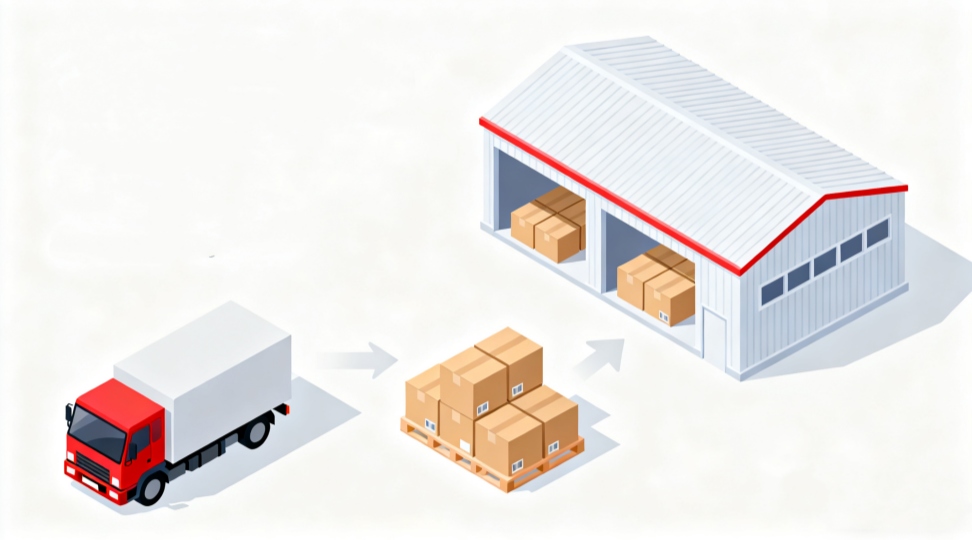
Each shipment is prepared according to customer specifications, including packaging type, labeling, and logistics requirements. From bulk IBC containers to customized drums, Rickman ensures products arrive ready for immediate use under field conditions.

Why Oil & Gas Clients Choose Rickman Defoamer

Beyond product performance, Rickman places strong emphasis on service and long-term cooperation. Our technical team works closely with customers to evaluate system parameters such as temperature, salinity, shear force, and chemical compatibility before recommending a solution. Sample testing, formulation adjustment, and post-delivery support are all part of Rickman’s service approach, helping customers reduce trial-and-error costs and improve operational reliability.


FAQ

Q1: How do I select the right defoamer for oil and gas applications?
A: Selection should be based on process conditions such as temperature, salinity, shear force, and foam persistence. Field testing and technical evaluation are strongly recommended before large-scale use.

Q2: Are silicone defoamers always better for oil and gas systems?
A: Not necessarily. While silicone defoamers offer strong knockdown performance, polyether or compound defoamers may be more suitable for certain drilling fluids or wastewater systems where compatibility is critical.

Q3: Can Rickman provide customized defoamer solutions for oilfields?
A: Yes. Rickmanoffers application-specific formulation adjustments and technical support to match different oilfield conditions and operational requirements.


Why Is Defoamer Essential in the Paint Industry?

In the paint industry, foam formation is a major concern that can disrupt production and degrade product quality. Whether it is during the mixing process, application, or storage, foam can cause inconsistencies in paint viscosity, poor surface finish, and even equipment malfunctions. That’s why choosing the right defoamer is essential to maintain high-quality paint production and optimize efficiency. But with various options available, how do you know which defoamer is the best fit for your system?


Comparing Defoamers for Paint Production: Silicone vs. Polyether-Based Solutions

There are several types of defoamers used in paint production, but two of the most common categories are silicone-based defoamers and polyether-based defoamers. Understanding the differences between these two types can help you select the best solution based on your paint formulation and processing conditions.


Silicone-Based Defoamers: Quick Action, High Stability

Silicone defoamers are typically known for their rapid foam-breaking properties and high stability in harsh environments, including high temperature and shear conditions. They are commonly used in solvent-based and high-viscosity paints.

Advantages:
  • Fast Foam Knockdown: Quickly breaks foam upon application.
  • High Temperature Tolerance: Performs well under higher temperatures.
  • Durable: Provides long-lasting suppression.

Best Applications:
  • High-gloss coatings
  • Solvent-based paints
  • Industrial coatings
Polyether-Based Defoamers: Effective, Economical, and Surface-Friendly

Polyether-based defoamers, on the other hand, are known for their cost-effectiveness and compatibility with water-based paints. They work well in formulations that require minimal impact on the paint’s appearance and texture.


Advantages:
  • Cost-effective: Less expensive compared to silicone defoamers.
  • Low Impact on Surface Properties: Does not affect gloss or surface quality.
  • Suitable for Water-Based Paints: Performs well in emulsions and waterborne systems.
Best Applications:
  • Water-based paints
  • Architectural coatings
  • Decorative finishes


Comparison of Silicone vs. Polyether-Based Defoamers


Property
Silicone-Based Defoamer
Polyether-Based Defoamer
Speed of Action
Fast foam break
Moderate foam suppression
Temperature Tolerance
High tolerance to heat
Moderate, sensitive to heat
Cost
Higher cost
More economical
Impact on Surface Quality
May affect gloss and texture
Minimal impact on gloss and texture
Better for
Solvent-based and industrial paints
Water-based paints and emulsions

Why Choose Rickman Defoamer for Your Paint Production?

Rickman’s defoamer solutions are designed with the specific needs of the paint industry in mind. We offer both silicone and polyether-based defoamers, providing versatile solutions that cater to different production environments. Our defoamers are formulated to provide optimal foam control, reduce production time, and improve overall product quality, ensuring that your paints maintain their desired properties throughout the manufacturing process.


FAQ

Q1: What is the difference between silicone and polyether-based defoamers?
A1: Silicone-based defoamers are typically faster-acting and more stable at higher temperatures, making them ideal for solvent-based and industrial coatings. Polyether-based defoamers, on the other hand, are more economical and work well in water-based paints, offering minimal impact on surface quality.


Q2: How do I know which defoamer to choose for my paint formulation?
A2: The choice of defoamer depends on factors such as the type of paint (solvent-based or water-based), the production process, and the desired finish. Silicone defoamers are ideal for high-viscosity and solvent-based paints, while polyether defoamers are more suitable for water-based formulations.


Q3: Can Rickman help me optimize foam control in my paint production?
A3: Yes! Rickman offers personalized solutions and technical support to ensure the most effective foam control for your paint formulations, optimizing production efficiency and product quality.


Are air shower and pass box used for the same purpose in cleanrooms?

The core functions and detailed differences between air shower and pass box in cleanrooms:

The core commonality of both is to control contamination and maintain the cleanroom environment level. Both must comply with regulations and standards such as GMP and ISO 14644. However, there are significant differences in their applicable objects, working principles, and operating requirements, as detailed below:


KLC's pass box


 I. Similarities 

1. Structural Anti-Cross-Contamination

Both are equipped with a double-door interlocking device, preventing both doors from opening simultaneously. This physically blocks the direct airflow between the cleanroom and non-cleanroom (or different levels of cleanrooms), preventing cleanroom pressure imbalance and pollutant diffusion.


KLC's Air shower


2. Consistent Regulations and Management Requirements

Both must be included in the cleanroom equipment management system, with complete maintenance and calibration records, and subject to regular audits and inspections.Daily cleaning requires the use of lint-free cleanroom wipes to wipe the inner walls, and no miscellaneous items are allowed to be stored inside the equipment to prevent them from becoming new sources of contamination.


3. Similar Maintenance and Calibration Principles

Both require regular inspection of the door seal integrity and the operating status of functional components, and timely replacement of aging consumables (such as filters and UV lamps) to ensure that the equipment is always in a compliant operating state.


 II. Differences 

1. Applicable Objects

Air shower are applicable to personnel and large material carriers, such as operators and inspectors entering the cleanroom, as well as stainless steel trolleys and large turnover boxes carrying materials. They can meet the needs of large and bulk material carriers.

Pass box are only suitable for small materials, tools, and documents, such as sample bottles, reagent tubes, cleanroom wipes, sterile gloves, and clean versions of batch production records. Personnel or large items are strictly prohibited from passing through.


2. Core Purification Principles

The air shower chamber uses high-speed airflow blowing and filtration as its core principle.A fan blows air, filtered by a high-efficiency particulate air (HEPA) filter, through nozzles at a speed of no less than 25 m/s, forcibly removing dust particles and microorganisms attached to personnel clothing fibers and trolley surfaces. The blown-off contaminants are collected through the return air vents and filtered again, forming a circulating purification process.

The pass box uses physical isolation and auxiliary disinfection as its core principle. The basic model only achieves spatial isolation through interlocking doors and has no active purification function; models with UV disinfection have a built-in 253.7nm wavelength UV lamp, which, when activated, irradiates for 15-30 minutes, killing bacteria by destroying the DNA structure of microorganisms.There is no airflow blowing function throughout the process, so it does not change the attachment state of particles on the surface of objects.


3. Installation Location and Environmental Requirements

The air shower chamber should be installed in the buffer zone at the main entrance for personnel/materials in the clean area, forming a three-level separation between the non-clean area and the clean area (non-clean area → air shower chamber → clean area). The installation area needs to have sufficient space for passage to ensure that the doors can be fully opened. It also needs to be linked to the pressure difference of the clean area; the pressure difference inside the air shower chamber should be slightly lower than the clean area and higher than the non-clean area.

The pass box is directly embedded in the partition wall between the clean area and the non-clean area, or between different levels of clean areas. The installation location should be convenient for personnel on both sides to operate. The wall opening size needs to match the specifications of the pass box. No additional pressure difference control is required; it only needs to ensure consistency with the environmental parameters of the surrounding area.


4. Operating Procedure

The operating procedure of the air shower chamber is as follows: After personnel or a trolley enters, the outer door closes, and the interlocking device locks the inner door; the infrared sensor triggers the fan to blow air, with a preset blowing time of 15-30 seconds (adjustable according to the cleanroom class); after the blowing is completed, the fan stops, the inner door unlocks, and personnel or the trolley can enter the clean area. Forcibly opening the interlocking doors is prohibited throughout the process. The emergency stop button should only be used in emergency situations. The pass box operates as follows: personnel on the non-clean side open the outer door, place the items inside, and close the outer door to ensure the interlock is activated; if it is a model with UV disinfection, the UV lamp must be turned on and remain on for the set disinfection time before being turned off; personnel on the clean side confirm that the outer door is closed, then open the inner door to retrieve the items, and finally close the inner door. Note that it is prohibited to open either door while the UV lamp is on to prevent UV radiation leakage and potential injury.


5. Maintenance and Calibration Details

Daily maintenance of the air shower room includes checking that the fan is running without abnormal noise, the sensing device is sensitive, and the interlock function is working correctly; weekly maintenance includes cleaning the pre-filters, wiping the nozzles, and checking that the door seals are not damaged; monthly maintenance includes checking the integrity of the HEPA filter (PAO leak test) and calibrating the airflow speed to be no less than 25 m/s; every six months, the pre-filters should be replaced and the fan motor should be inspected.


Daily maintenance of the transfer window includes checking that the interlock function is working correctly, the UV lamp indicator light is on (for models with disinfection), and the observation window is free of stains; weekly maintenance includes wiping the internal surfaces with 75% ethanol and checking that the door hinges rotate smoothly; monthly maintenance includes calibrating the UV lamp irradiation intensity (which must reach a bactericidal threshold of ≥70 μW/cm²) and replacing aging seals; quarterly maintenance includes replacing the UV lamp tubes (which typically have a lifespan of 8000 hours).


 III. Complementary Functions 

The air shower room addresses the active purification of personnel and large material carriers, preventing the entry of large amounts of contaminants into the clean area; the transfer window addresses the sterile isolation and transfer of small items, avoiding disruption of the clean area pressure difference and environmental stability due to frequent door openings. Both are indispensable and together constitute a comprehensive pollution control system for personnel and material entry and exit in the clean area.

Why always long lines to play large water slides?

If you enjoy in water parks, especially large water parks, you will see there are always long lines to play large water slides. Like Vinterhal in Rulantica water park, the "shock wave" in Aquaventure World Atlantis Dubai, the Funnel Web in Jamberoo Action Park, World's first HIVE 35 family tower complex in Chimelong Water Park etc.


First of all, mostly they are the most thrilling game in the water park, so they are most popular atrractions in the park. But large water slides takes big area and large investment, so mostly the water park do not build many of them in one water park. And most of them need to devote more efforts to running safely, however, most of them have very limited capacity.


For example, in the incredible Funnel web in Jamberoo Action Park, you’ll drop at 30 km/h deep into the spider’s funnel, you will see the world's biggest spider sculpture just at the side of the tornado slide, you will get unique experience. The cloverleaf tube raft with seat pad from Guangdong H-Fun ensure your safety on the slide, but it can only take 4 players each time, so you need to wait if there are many palyers.


Cloverleaf tube for water park


In Maya Playa water park of OCT group in Xi'an, larger water slide can use 5 person tube with seatpad from Guangdong H-Fun Water Recreational Articles Co., Ltd. which can take 5 players each time.


5 person tube with seatpad


In the largest and longest family water coaster the "shock wave" in Aquaventure World Atlantis Dubai and World’s first HIVE 35 family tower complex with enormous Double TORNADO 60 in Chimelong Water park, the new design round raft with seperate seats from Guangdong H-Fun can provide safe and comfortable slide experience.


raft boat for waterpark family raft slide


On the other hand, we usually take much less time to wait to play on racer slides, including mats racer slides and tube raft racing slides. They can allow more players to "race" at the same time and they are faster.


Like Phoenix fly in Adventure Bay water park in OCT group Xiangxiang, with 8 lanes of steel mat slide, and the tube racing slide in Zhejiang Longemont Waterpark, they provide 6 lanes of double tube racing slide, which can allow 12 players play at the same time, which can be rather thrill and save more time of waiting. Their racer mats and water park double tubes also provided by Guangdong H-Fun Water Recreational Articles Co., Ltd.


water park double tubes